Lectric XP Lite 2.0 Review | Professional E-Bike Technician
The folding e-bike market is crowded with lightweight promises and budget-friendly claims. As a professional e-bike technician, I look past the marketing and evaluate what truly matters: motor performance, battery safety, brake reliability, frame durability, and long-term serviceability.
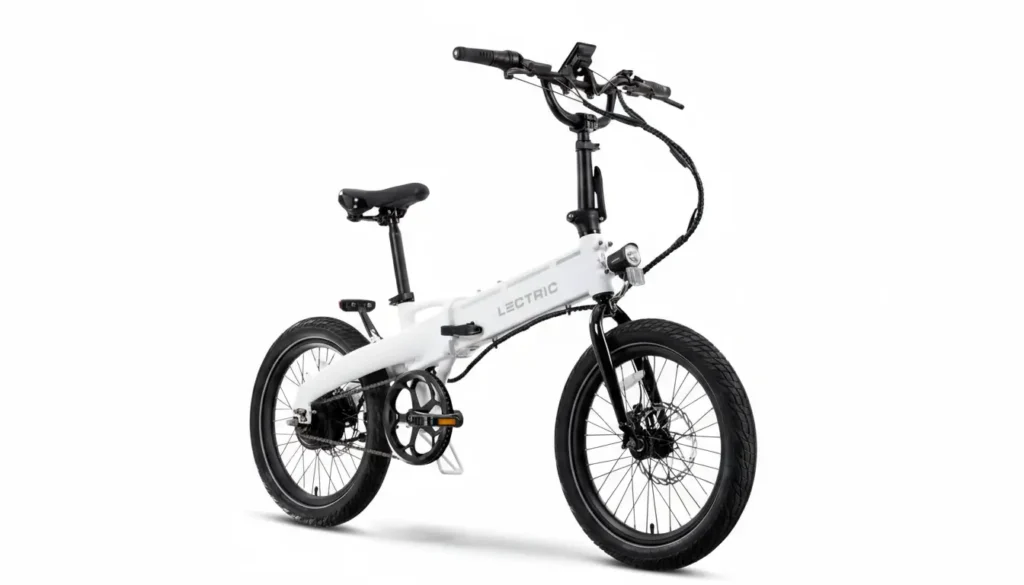
The Lectric XP™ Lite 2.0 weighs just 49 lbs, reaches 20mph, and features an 819W peak rear hub motor, hydraulic disc brakes, and a UL-certified 48V battery system. On paper, it’s impressive.
But how does it hold up from a technician’s perspective?
Let’s take a closer look.
Overall Build Quality and Frame Design
Folding Frame Construction
The first thing I inspect on any folding electric bike is the hinge system. The XP Lite 2.0 has:
- Clean welds
- Solid hinge engagement
- Minimal lateral play
That’s critical because folding frames experience concentrated stress at pivot points. Over time, vibration can loosen hardware.
From a maintenance standpoint, owners should perform regular torque checks using proper e-bike tools, especially on hinge bolts and stem hardware.
Weight and Structural Balance
At 49 lbs, this is lighter than many competitors. That reduced weight helps:
- Lower stress on brakes
- Reduce spoke fatigue
- Improve portability
It strikes a good balance between portability and structural stability.
Motor Performance and Pedal Assist System
819W Peak Rear Hub Motor with Stealth M24
The rear hub motor delivers smooth and controlled power. Engagement is predictable, and noise levels are impressively low.
Hub motors are mechanically simpler than mid-drives, which reduces drivetrain wear. However, they do require careful handling during wheel removal.
Using improper e-bike repair tools when removing the rear wheel can damage:
- Motor cables
- Axle threads
- Dropouts
Pedal Assist Wattage Regulation (PWR)
The PWR programming is one of the standout features.
Instead of limiting assistance purely by speed, it regulates wattage output at each PAS level. From a technician’s perspective, this:
- Reduces drivetrain shock
- Minimizes chain stretch
- Improves long-term component life
That’s smart engineering.
Battery System and Electrical Safety
48V 14Ah UL-Certified Battery
The Lectric XP Lite 2.0 battery is certified to UL 2271, and the entire system meets UL 2849 standards.
This matters.
Many lower-cost e-bikes skip third-party certification. UL compliance significantly reduces:
- Fire risks
- Charging hazards
- Electrical faults
The battery removal process is simple and secure. Always remove the battery before performing any electric bike maintenance.
Electrical Integration and Display
The color LCD display includes:
- PAS levels
- Speed readout
- Battery level
- Ride metrics
- USB-A charging port
Wiring is neatly routed, but folding bikes require extra vigilance. Repeated folding can stress cable housings.
Professional technicians use:
- Cable management tools
- Heat shrink kits
- Digital multimeters
These tools are essential for diagnosing voltage or connection issues.
Braking System Evaluation
Hydraulic Disc Brakes with 180mm Rotors
This is where the XP Lite 2.0 exceeds expectations for its class.
Hydraulic brakes paired with 180mm rotors provide:
- Strong stopping power
- Reliable modulation
- Consistent braking under load
E-bikes demand more braking force due to added weight and speed capability.
Maintenance Requirements
Hydraulic systems require:
- Periodic inspection
- Proper bleeding when needed
- Correct mineral oil (as specified)
A professional brake bleed kit is one of the most important professional bike tools for electric bike maintenance.
Never ignore a soft or spongy brake lever.
Ride Quality and Handling
Stability at 20mph
The XP Lite 2.0 is limited to 20mph as a Class 1 and 2 e-bike. At that speed, the frame remains stable and predictable.
Handling is responsive, though smaller wheels typical of folding bikes can feel harsher over potholes.
Vibration and Bolt Monitoring
Folding bikes concentrate vibration near hinge and stem areas.
From a technician’s perspective, torque checks every 300–500 miles are highly recommended.
A calibrated torque wrench prevents:
- Over-tightening
- Under-tightening
- Bolt fatigue
This is one of the most critical e-bike tools every owner should own.
Maintenance Overview for Owners
Electric bike maintenance differs significantly from traditional bicycles.
Routine Maintenance Schedule
Every 300–500 Miles
- Check hinge bolts
- Inspect brake pads
- Inspect motor cable
Every 500–1,000 Miles
- Inspect drivetrain wear
- Check spoke tension
- Clean and lubricate chain
Annually
- Hydraulic brake bleed
- Electrical system inspection
- Battery health check
Using proper e-bike repair tools ensures these tasks are done safely.
Why Proper E-Bike Tools Matter
E-bikes generate more torque and carry more weight than standard bicycles.
Improper tools can cause:
- Stripped bolts
- Damaged wiring
- Contaminated brake rotors
- Cracked components
Essential tools include:
- Calibrated torque wrench
- Hydraulic brake bleed kit
- Cassette removal tool and chain whip
- Reinforced tire levers
- Digital multimeter
Cheap all-in-one toolkits are not suitable for serious electric bike maintenance.
Common Mistakes Seen in the Workshop
Using adjustable wrenches on axle nuts often rounds hardware.
Pulling motor cables instead of disconnecting properly damages internal wiring.
Skipping torque specifications leads to cracked or loose components.
Touching brake rotors with greasy hands reduces braking performance.
Most of these problems are entirely preventable with professional e-bike tools.
Strengths of the Lectric XP Lite 2.0
Lightweight yet durable frame
UL-certified battery system
Smooth and controlled power delivery
Strong hydraulic braking
Good overall serviceability
Practical folding design
Areas That Require Attention
Rear wheel service requires care due to hub motor wiring.
Folding hinge bolts must be checked regularly.
Smaller wheels feel firmer on rough roads.
Hydraulic brakes require proper tools for service.
These are typical considerations for folding electric bikes and not design flaws.
FAQ: Technician Insights
Is the Lectric XP Lite 2.0 beginner-friendly?
Yes. The ride experience is simple and intuitive. Maintenance requires basic mechanical awareness.
Does the rear hub motor complicate repairs?
Only during rear wheel removal. Otherwise, it’s relatively low maintenance.
How long will the battery last?
Typically 3–5 years with proper charging habits and storage practices.
Are hydraulic brakes difficult to service?
Not with proper professional bike tools. A quality bleed kit makes it straightforward.
Is this a good option for small repair shops?
Yes. Components are standard and serviceable with common e-bike tools.
Final Verdict: A Technician’s Perspective
The Lectric XP™ Lite 2.0 is a well-designed folding electric bike that balances portability, safety certification, and solid performance.
From a professional standpoint, it’s:
- Mechanically sound
- Electrically compliant
- Service-friendly
- Value-conscious
However, like all electric bikes, it demands precision maintenance.
Using high-quality e-bike repair tools is essential for protecting:
- The 819W peak motor
- The UL-certified battery
- The hydraulic braking system
- The folding frame integrity
If you’re serious about electric bike maintenance-whether as a DIY rider or small shop technician-invest in professional-grade e-bike tools.
Explore premium, technician-approved electric bike maintenance tools at E-BikeTools and service your e-bike with confidence and precision.