I Wouldn’t Ride Without a Helmet. Now I Won’t Ride Without Radar Either.
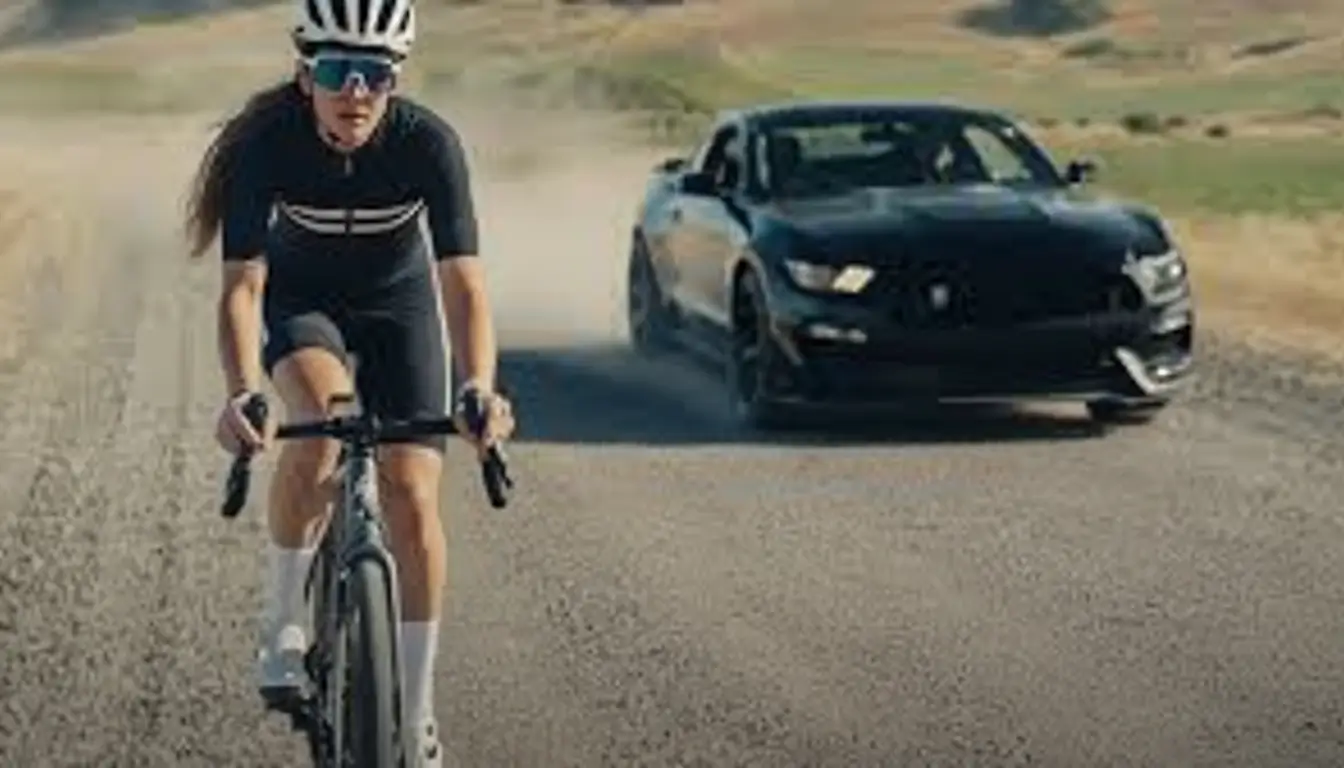
One lunchtime ride, a driver sped past me, missing my left shoulder by what felt like millimeters. This was a road I knew well, and I was riding right on the edge. That close call-like others I’ve had, and the tragic incidents that have injured or killed friends-left me completely rattled.
The incident was different. It stayed with me all afternoon, all evening, and into the next morning. I immediately checked the tracking for the on-bike radar I had ordered weeks earlier.
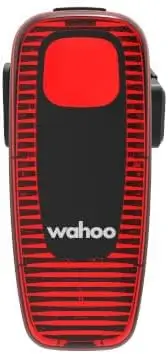
When the Wahoo Trackr Radar arrived, I installed it instantly. Now, months later, I consider it as vital as my helmet. This device has fundamentally changed how I ride.
The Connected Cycling World
Before rolling out for today’s hour-long ride, I synced my GPS bike computer with five devices: a power meter, electronic drivetrain, heart rate monitor, body temperature sensor, and radar. I also connected my phone to the computer and sent my girlfriend a link to track my route. After the ride, all my data uploaded automatically to Strava.
You might use fewer gadgets, but more and more cyclists now ride with one or two connected devices. Just a few years ago, this was rare. Technology has reshaped cycling quickly-how we ride, train, race, watch events, and connect with other riders worldwide. Whether you love or dislike these changes, they have fundamentally altered the cycling experience.
Most cycling tech aims to boost speed, improve training, or add convenience. These goals are easy to market to riders eager to enhance their performance. But only a few products focus on what every cyclist truly needs: better safety on the road.
The Safety Gap
Safety gear isn’t flashy and doesn’t come with race wins or power numbers. Cyclists often obsess over data, routes, and training plans, but few dream about avoiding crashes. That’s why products that inspire us sell better than those that simply keep us safe.
A radar won’t improve your pedal stroke, speed, or power. It won’t make hills easier or lighten your bike. But it can ease your nerves, help you stay alert, and increase the chances you get home safely and ride another day.
Why Radar Matters
Let me be clear: rider safety is not just the cyclist’s responsibility. Radars don’t replace better bike lanes, traffic enforcement, or driver education. They can’t stop distracted or drunk drivers, nor create a force field from danger.
Yet, until officials step up, cyclists must take their own precautions. Short of quitting road riding, radar is one of the best tools to warn you about approaching vehicles. Flashing lights help drivers see you, but they don’t warn you. Mirrors give limited views and need constant checking.
I use radar on every road ride now. It alerts me to cars closing in from behind, so I can focus ahead and react calmly. It also boosts my visibility to drivers. The device isn’t perfect-sometimes it mistakes another rider for a car—but I gladly accept a few false alarms over missing a speeding truck.
Try It for Yourself
You don’t have to use radar-I won’t pressure or shame you if you don’t. But I encourage you to give it a try.
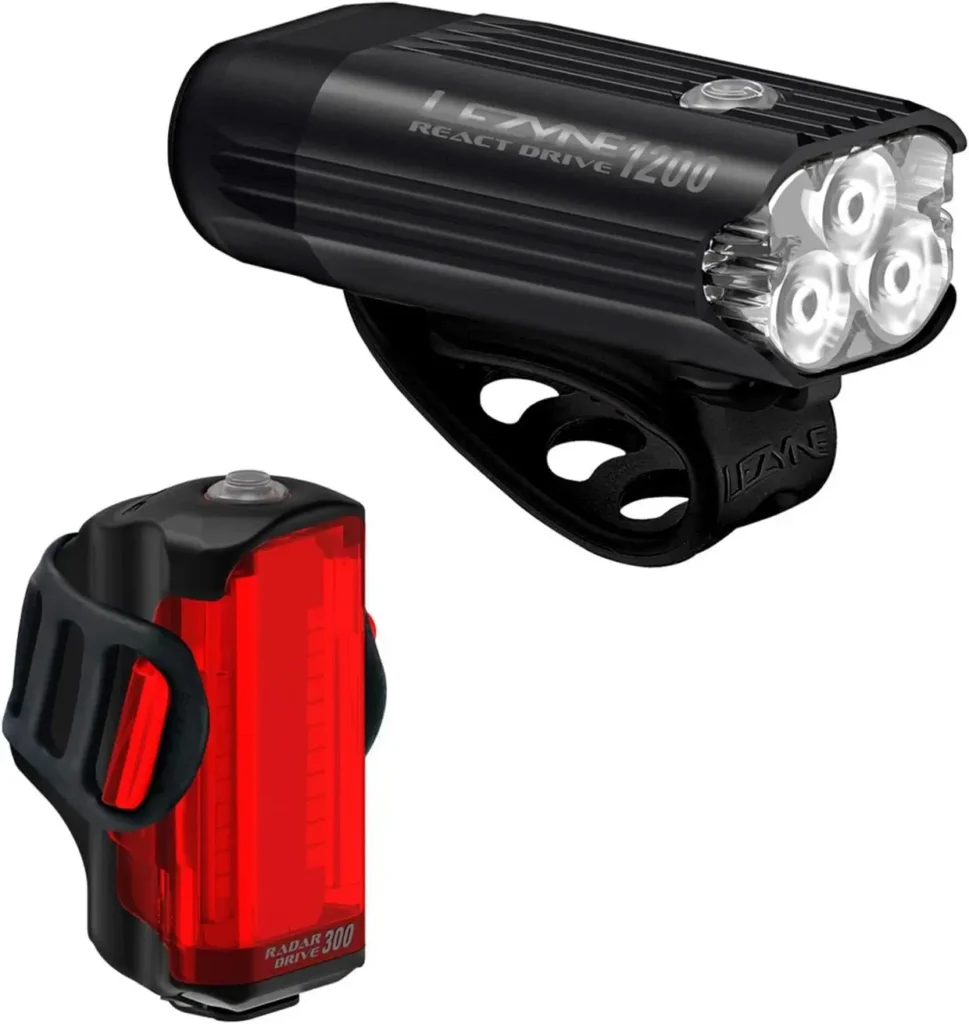
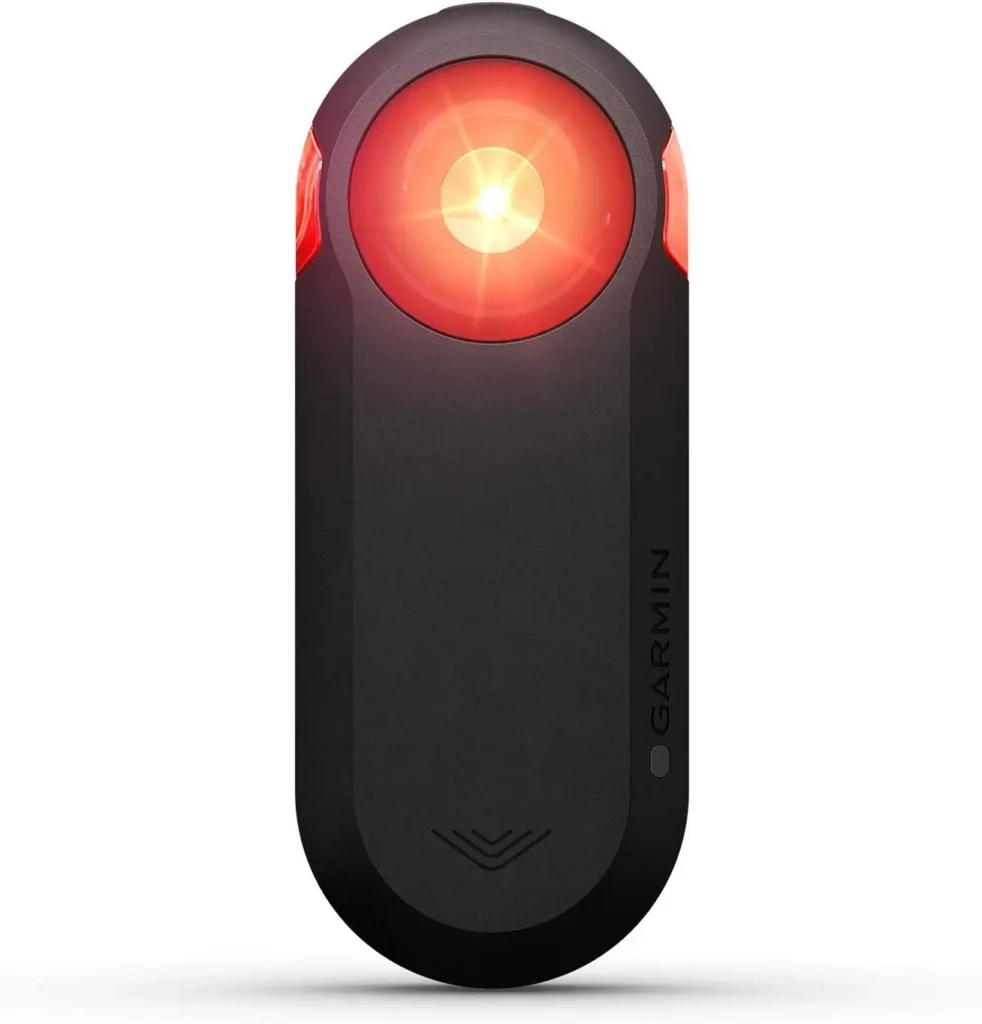
Like many, I was skeptical at first. I read reviews and talked with friends about models like the Trek Carback, Garmin Varia, and Wahoo Trackr. I underestimated how much radar would change my riding.
Only recently did I realize its true impact. Last week, I almost missed my radar before a ride and changed plans to stick to bike paths instead of busy roads. That moment showed me how much I rely on it.
Don’t Ride Without It
You wouldn’t ride without a helmet, right? For me, radar is just as essential. It’s now part of my basic kit, along with a helmet, water, and tools.
Besides safety, radar changed how I ride. I’ve had fewer flats in 2,000 miles since using it because I avoid riding on debris-filled road edges. I’m no longer afraid to take the lane, which often offers smoother pavement and fewer obstacles.
Taking the lane also makes group rides more enjoyable-we can ride side by side comfortably and move aside safely when cars approach.
Most importantly, radar has eased my anxiety. I used to constantly glance behind, even on quiet roads, worried about unseen cars. That fear hasn’t vanished entirely, but it’s much less. And that makes every ride more enjoyable.
Final Thoughts
A helmet protects your head. A radar protects your ride.
You wouldn’t go without the first – so why not add the second?
For me, using an on-bike radar isn’t just about safety anymore. It’s about riding with confidence, awareness, and peace of mind – every single time I hit the road.
Frequently Asked Questions About Bike Radar Systems
What is a bike radar, and how does it work?
A bike radar uses sensors to detect vehicles approaching from behind. It alerts you through your bike computer, smartphone, or a light signal, giving you time to react before the car reaches you.
Are bike radars worth it?
Yes – especially if you often ride on open roads or in traffic. A radar won’t make you faster, but it can make you safer and more confident on every ride.
Which brands make the best bike radar systems?
Popular options include Garmin Varia, Wahoo Trackr, and Trek Carback. All three offer solid performance, reliable alerts, and good integration with cycling computers.
Do bike radars work at night or in bad weather?
Most models work in all conditions, including rain and low light. They use radar waves, not cameras, so visibility doesn’t affect performance.
Will a radar drain my battery or interfere with other devices?
Not significantly. Bike radars connect via Bluetooth or ANT+ and typically last 6–15 hours per charge. They’re designed to work alongside GPS units, power meters, and heart rate monitors without interference.
Can I use a radar without a cycling computer?
Yes. Many radars, like the Garmin Varia RTL515, can connect directly to a smartphone using apps such as Garmin Varia or Wahoo’s companion app. You’ll still get visual and audio alerts.
Is it difficult to install a bike radar?
Not at all. Most attach to your seat post like a standard rear light. Setup takes just a few minutes — pair it once with your device, and it’s ready for every ride.