Balance Bike Guide: Tips, Benefits & Top Picks for Kids
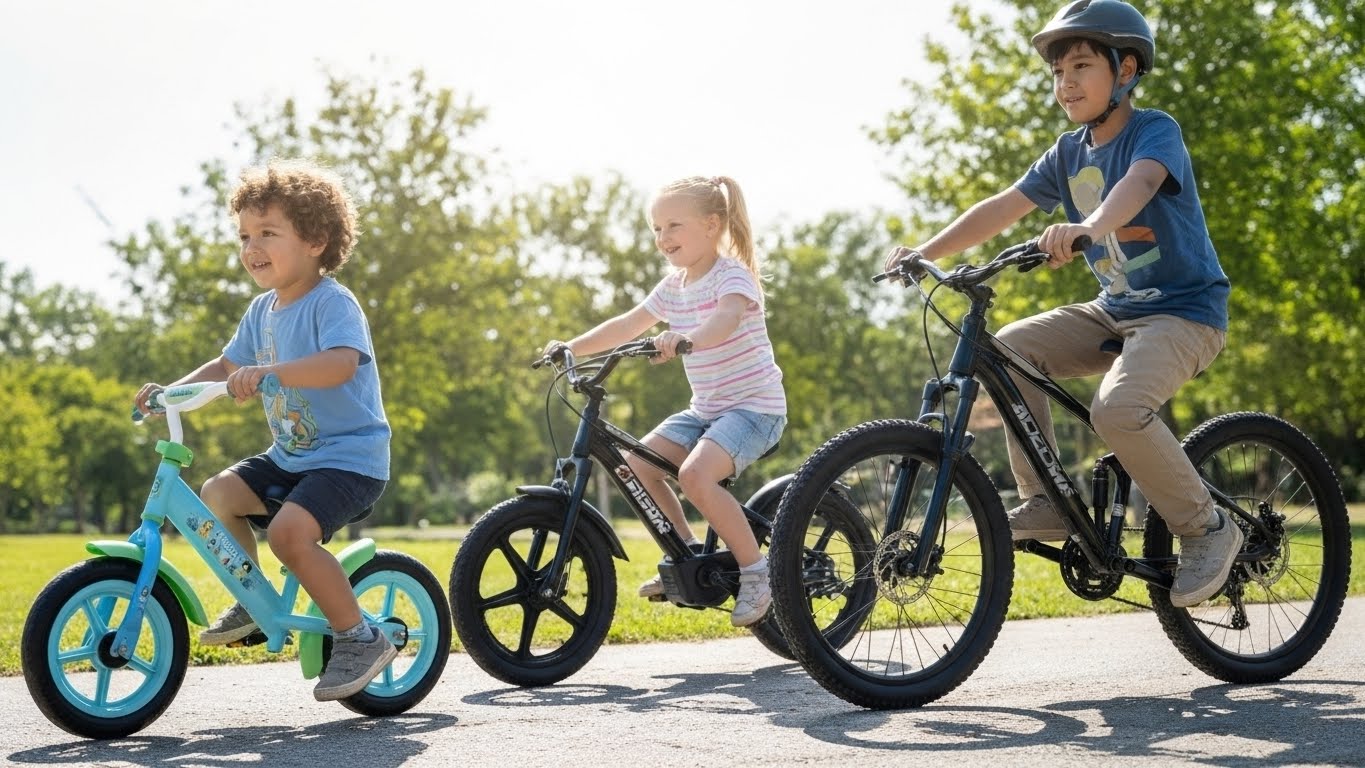
Learning to ride a bike is a milestone for every child, but the traditional approach of training wheels can be fraught with frustration and wobbly fears. Enter the balance bike-a revolutionary two-wheeled bike designed without pedals that has completely transformed how children learn to ride. By helping kids gain confidence, coordination, and balance first, it makes the transition to a pedal bike smoother, faster, and far more enjoyable.
In this ultimate guide, we’ll explore everything you need to know about balance bikes, from their profound benefits and how to choose the perfect one, to teaching techniques and a look at the top models on the market.
What is a Balance Bike?
A balance bike is a simple, elegant solution. It’s a two-wheeled bike designed without pedals, chains, or gears. Instead of pedaling, children propel themselves by pushing off the ground with their feet. This allows them to focus 100% on the most critical skill of cycling: balancing.
Key features of a balance bike:
- Pedal-Free Design: No complicated mechanics to master.
- Lightweight Frame: Easy for small children to handle and maneuver.
- Adjustable Seat Height: Grows with your child for years of use.
- Foot-to-Floor Posture: Allows kids to stop and start with instinctive safety.
- Optional Hand Brakes: Introduces advanced riders to essential bike skills.
By concentrating on balance rather than pedaling, children develop a deep, intuitive understanding of how to control a two-wheeled vehicle, making the eventual leap to a pedal bike a natural next step.
Why Balance Bikes are a Parenting Game-Changer
For generations, training wheels were the default, but we now understand they can teach counterproductive habits. A balance bike, on the other hand, works in harmony with a child’s natural development.
The Core Benefits of Learning on a Balance Bike
- Faster Learning Curve: Kids who start with balance bikes often learn to ride pedal bikes in days instead of weeks or months. They skip the training wheel phase entirely because they’ve already mastered the hardest part.
- Builds Genuine Confidence and Independence: Children are in full control of their speed and stability. This empowerment builds tremendous self-assurance, turning a potentially scary experience into a series of confident achievements.
- Improves Motor Skills and Safety: Balance bikes naturally enhance coordination, spatial awareness, and leg strength. Without pedals in the way, kids can easily plant their feet on the ground to stop, significantly reducing the risk of falls and injuries compared to training wheels.
- Creates a Seamless Transition: The jump from a balance bike to a pedal bike is remarkably small. The child already knows how to balance and steer; they only need to learn the new skill of pedaling.
How to Choose the Perfect Balance Bike for Your Child
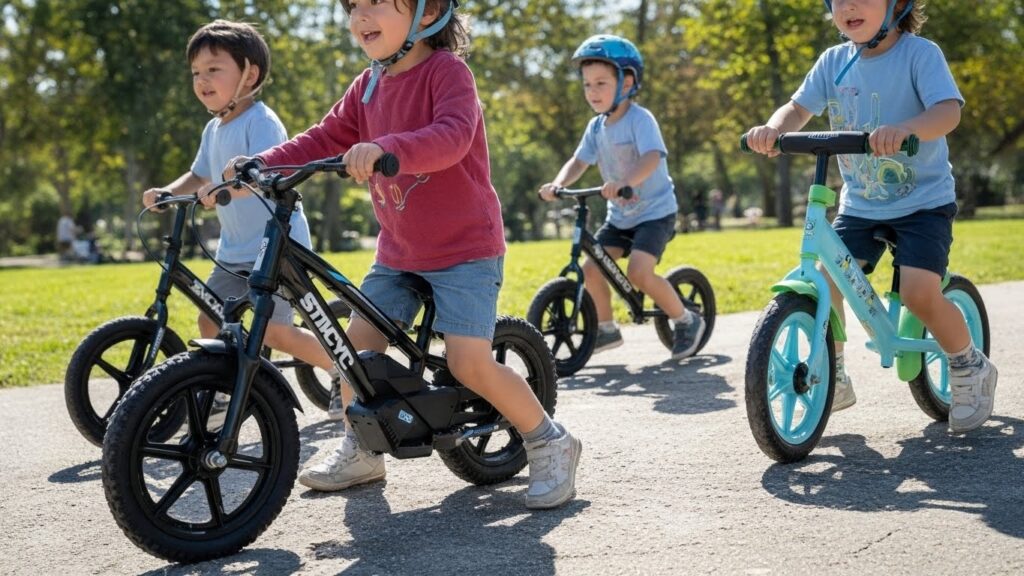
Selecting the right balance bike ensures safety, comfort, and maximum fun. Here’s a practical guide to finding the perfect fit.
H3: The Goldilocks Fit: Getting the Size Right
The single most important factor is fit. An ill-fitting bike can be discouraging and unsafe.
- Measure Your Child’s Inseam: Have your child stand straight in shoes and measure from the floor to their crotch.
- Check the Seat Height: The bike’s minimum seat height should be at least 1-2 inches less than your child’s inseam. This allows them to sit comfortably with their feet flat on the ground and a slight bend in their knees.
H3: Weight, Material, and Wheels
- Material and Weight: Look for lightweight frames (aluminum or composite) that are no more than 30% of your child’s body weight. A heavy bike is hard to control and can tire them out quickly.
- Tire Type:
- Air-Filled (Pneumatic): Offer the best cushioning and traction on all terrains but can get flats.
- Foam (EVA): Never go flat and are maintenance-free, but offer a rougher ride.
- Handbrakes: While not essential for beginners, a child-friendly handbrake is a fantastic feature for older toddlers, as it introduces a crucial skill they’ll need on their next bike.
Top Balance Bikes on the Market
From classic beginner models to exciting electric options, there’s a balance bike for every child’s interest and ability.
The Feature-Packed All-Rounder
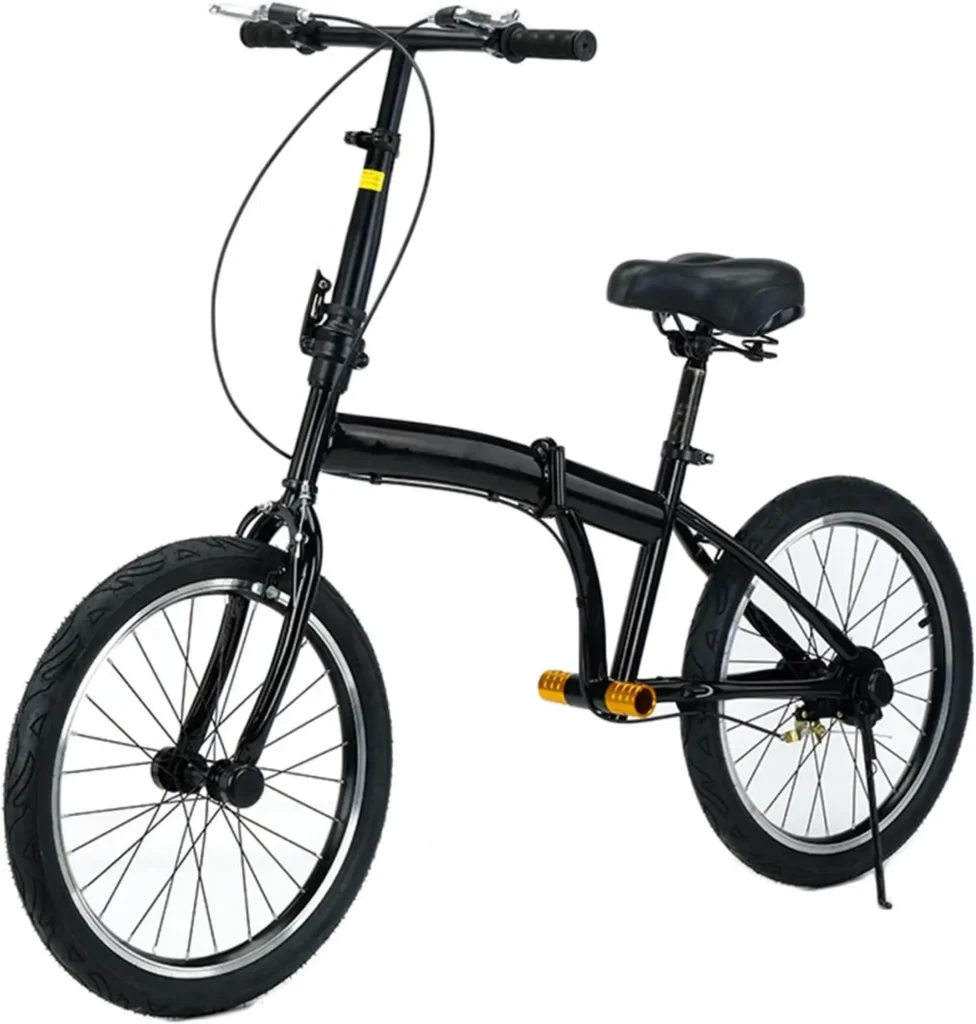
This model is perfect for families on the go. It includes a footrest and handbrake for enhanced skill development and a space-saving foldable design for easy storage and travel.
The Character Favorite
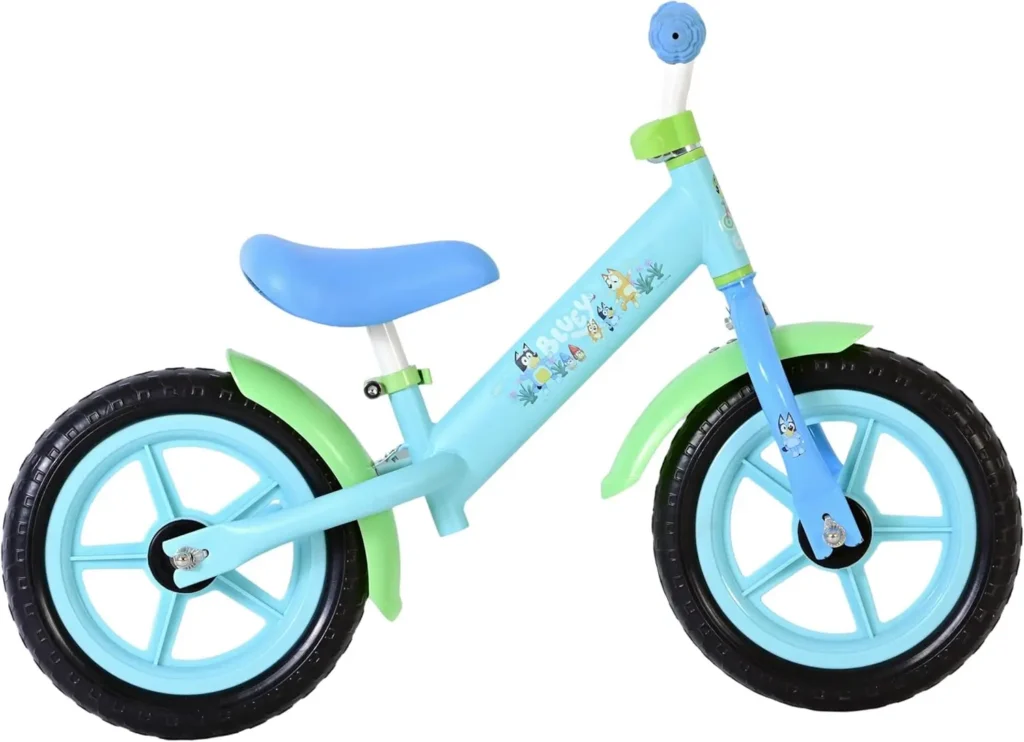
Leverage the power of a beloved character to get your little one excited to ride! It’s lightweight, easy to control, and perfect for fostering a love of biking early on.
The Next Generation: Electric Balance Bikes
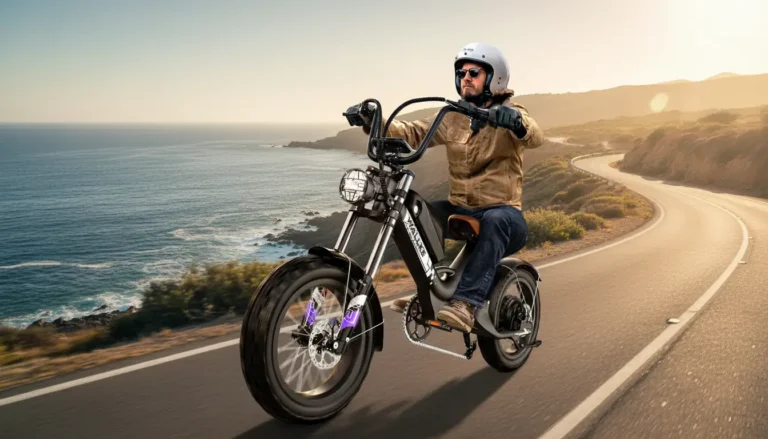
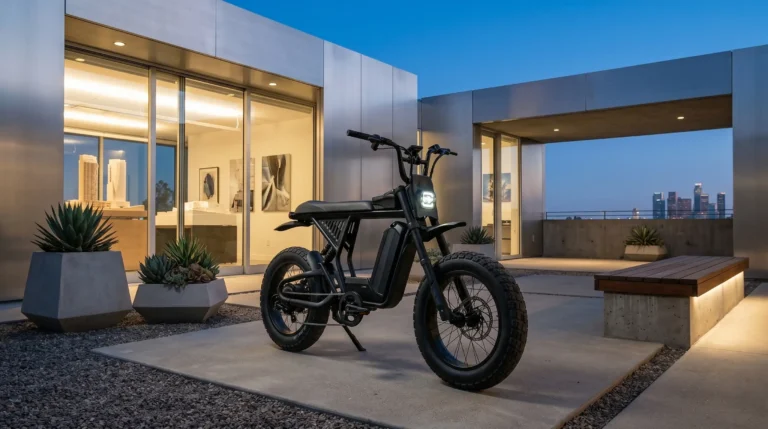
For the child who has mastered gliding or is ready for a new adventure, electric balance bikes offer a controlled, thrilling next step. They teach throttle control and riding posture in a safe environment.
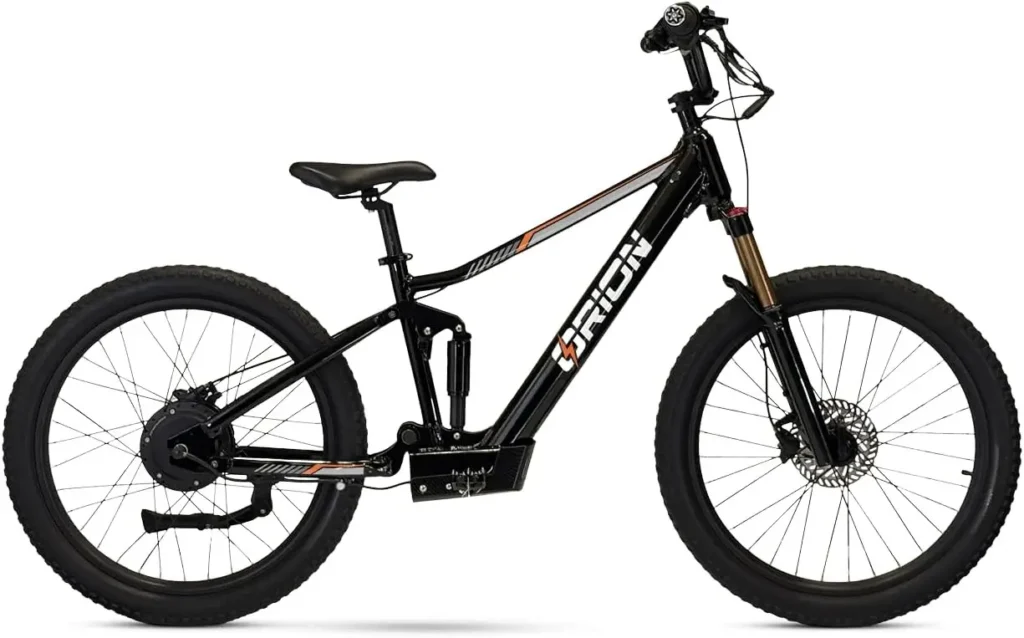
- Orion Moto E24X Electric Balance Bike:
- Perfect for children who love speed and adventure. It’s electric-powered for smooth riding on varied terrain.
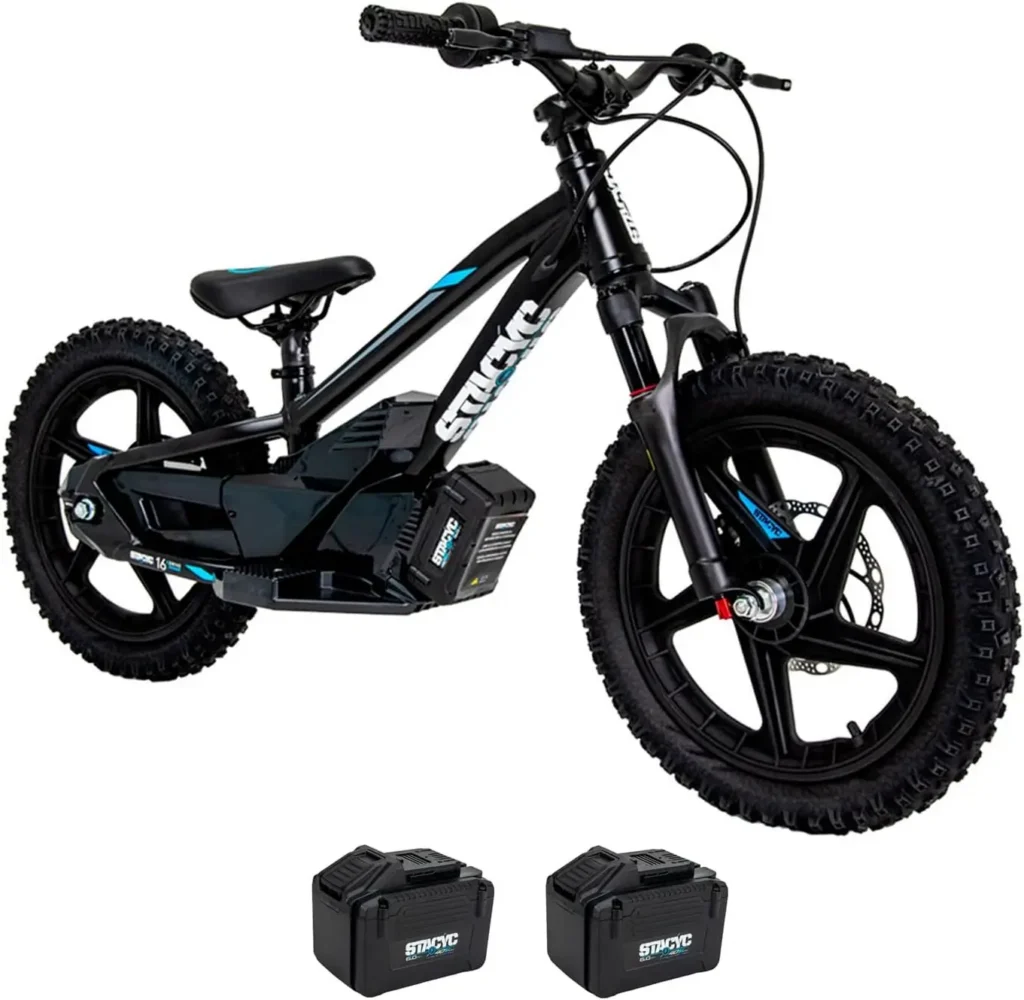
- STACYC 16eDRIVE Electric Balance Bike: Features a brushless motor for quiet, efficient performance and is ideal for outdoor adventures and beginners.
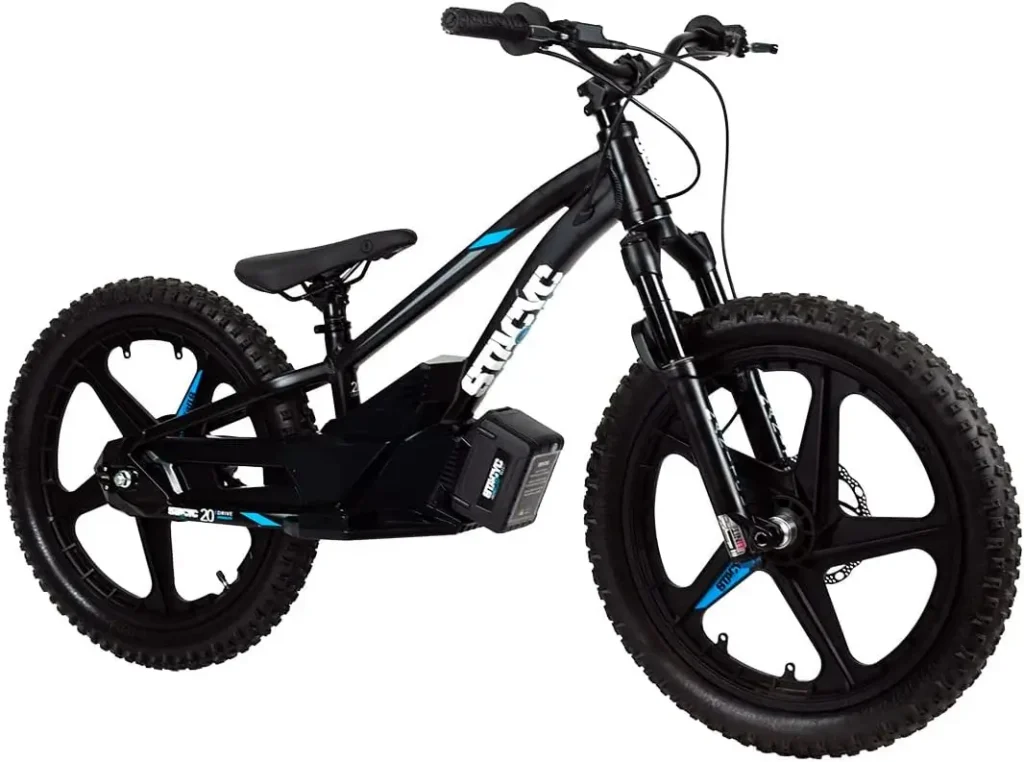
- STACYC 20eDRIVE Electric Balance Bike: An advanced model for older toddlers and young kids, promoting faster skill development with smooth electric power.
How to Teach Your Child to Ride a Balance Bike
Getting started with a balance bike is a fun, low-pressure process. Follow these steps to set your child up for success:
- Choose a Safe Area: Start in an open, flat space like an empty parking lot or park, free from traffic and major obstacles.
- Adjust the Seat Correctly: Ensure your child can place both feet flat on the ground with a slight bend in their knees.
- Encourage Walking and Scooting: Let them simply walk while sitting on the saddle. There’s no need to rush. Let them get comfortable.
- Practice Gliding and Steering: Once comfortable, encourage them to take bigger steps and lift their feet to glide. Use cones or markers to make steering practice a game.
- Introduce Brakes (if applicable): For models with hand brakes, take time to teach how to stop safely and confidently.
- Celebrate Every Success: Praise is your most powerful tool. Celebrate the small glides and turns to boost their confidence and keep them motivated.
Safety Tips for Balance Bike Riding
- Always wear a properly fitted helmet.
- Use knee and elbow pads for beginners.
- Supervise young riders at all times.
- Regularly check the bike for loose parts or wear and tear.
The Helpful Takeaway
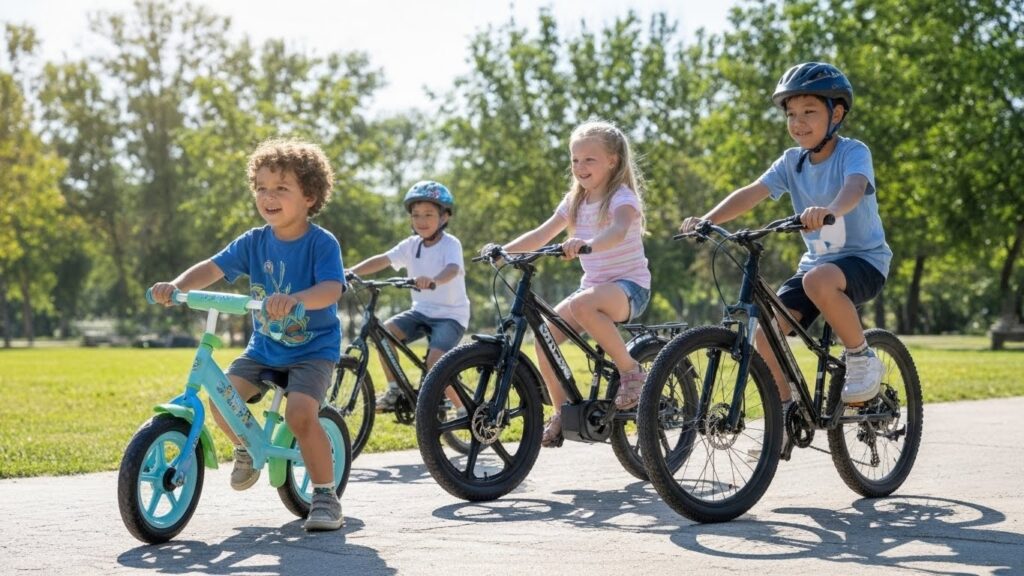
A balance bike is more than just a toy—it’s a foundational tool for building confidence, balance, and independence in young riders. It simplifies the learning process, eliminates the fear associated with training wheels, and sets your child up for a lifetime of cycling joy. By choosing the right bike and following a supportive, fun approach, you can help your child transition smoothly to a pedal bike and enjoy years of active fun.