The Jetson E-Bike Review: An Affordable Gateway to Electric Biking?
The world of electric mobility has exploded in recent years, but few brands have captured the entry-level market quite like Jetson. Whether you’ve seen them zipping across college campuses, parked outside coffee shops, or displayed in the aisles of Costco, Jetson e-bikes have become synonymous with affordable, compact, and fun transportation.
If you are looking for a way to ditch the car for short trips or just want to feel the wind in your hair without breaking a sweat (or the bank), a Jetson e-bike might be your perfect match.
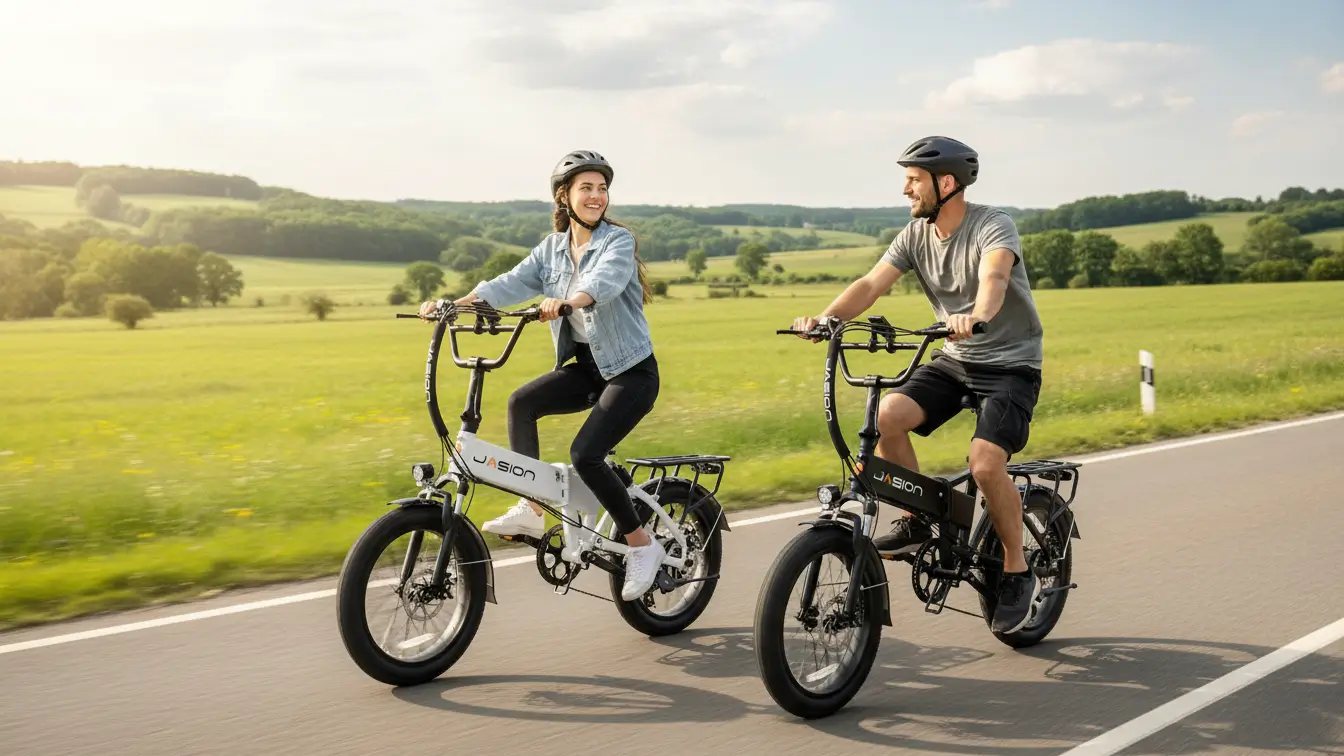
In this guide, we’ll dive deep into the Jetson e-bike lineup, break down the top models like the Bolt Pro and Atlas, and even clear up the common confusion between Jetson and its competitors (like the Jasion EB7).
What is a Jetson E-Bike?
Jetson is a consumer electronics brand owned by GIGA Media, known for producing a range of personal electric mobility devices. Their e-bike lineup typically consists of lightweight, folding, and commuter-style bikes designed for urban and suburban environments.
Unlike high-performance e-bikes built for long distances or tough trails, Jetson models are engineered for practicality and ease of use. They are characterized by several common traits:
- Affordable Price Point: Often priced between $300 and $800, making them some of the most budget-conscious e-bikes available.
- Simplified Design: They usually feature a step-through or compact frame for easy mounting, integrated lights, and a user-friendly control interface.
- Hub-Drive Motor: A modest motor (typically 250W-350W) located in the rear wheel provides pedal assist and sometimes a throttle-only mode.
- Removable Battery: A lithium-ion battery that can be charged on or off the bike, often with a range of 15-30 miles per charge.
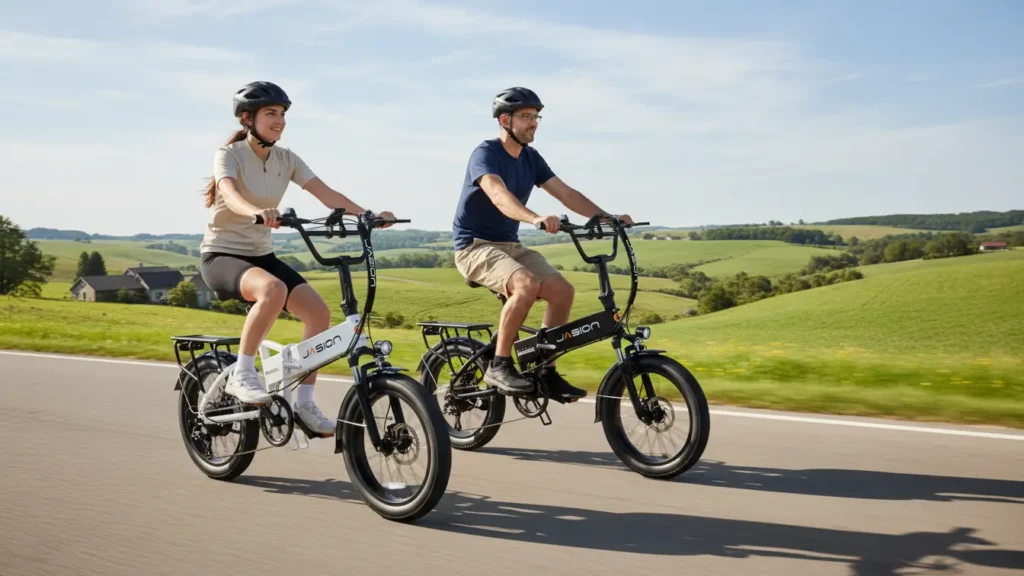
Key Features and What to Expect
Let’s break down the typical Jetson e-bike experience by looking at its core components.
1. Motor and Performance
Jetson e-bikes are equipped with a 250W to 350W rear hub motor. This is a Class 2 e-bike specification in the United States, meaning it provides pedal-assist up to 20 mph and also includes a throttle that can propel the bike without pedaling.
- Best For: Flat to moderately hilly terrain. The motor provides a noticeable boost that makes starting from a stop and climbing small inclines much easier.
- Limitation: Don’t expect mountain-climbing power. Steeper, sustained hills will require significant rider effort, and speed will drop.
2. Battery and Range
The removable lithium-ion battery is a highlight for convenience and security. You can charge it in your home or office without bringing the entire bike inside.
- Advertised Range: Most models claim 15-30 miles. This is highly variable.
- Real-World Range: Expect 15-20 miles under real conditions. Factors that drastically reduce range include:
- Using the throttle extensively
- Riding on hilly terrain
- Heavier rider weight
- Riding against strong wind
- Cold weather
3. Build and Design
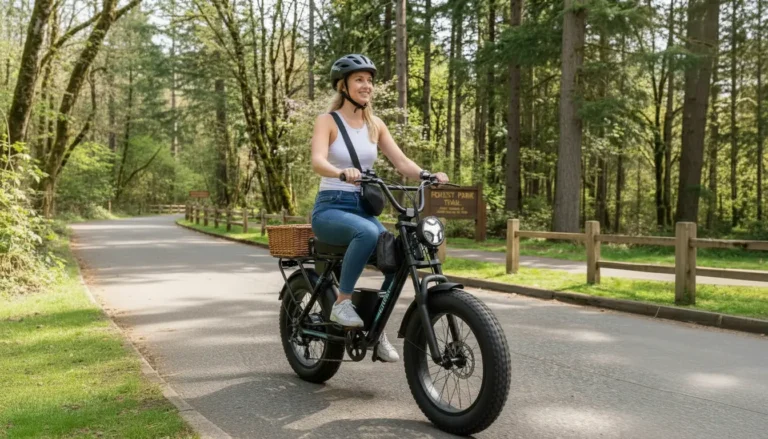
Jetson prioritizes function and portability. Many models, like the popular Jetson Bolt Pro, are compact folding bikes.
- Frame: Usually made from aluminum alloy, keeping the bike relatively light (around 40-50 lbs).
- Folding Mechanism: A major selling point for those with limited storage space or who want to take the bike on public transit.
- Components: To hit their price point, Jetson uses entry-level components (shifting, brakes, tires). They are sufficient for casual use but may not offer the precision or durability of more expensive brands.
4. Ride Comfort and Practicality
- Tires: Often use smaller diameter, fat tires (e.g., 12″ or 14″ on folding models) which provide good stability and a cushioning effect on pavement.
- Suspension: Some models feature a basic front suspension fork to absorb bumps, but it’s typically minimal.
- Extras: Integrated front and rear lights, a digital display showing speed and battery level, and a rear rack are common and welcome additions for utility.
The Pros and Cons: An Honest Assessment
The Advantages (The “Pros”)
- Exceptional Affordability: This is the biggest draw. It lowers the barrier to entry for e-biking.
- Convenience of Folding: Ideal for apartment dwellers, commuters who use trains/buses, or for storing in a car trunk.
- Ease of Use: With a simple throttle and intuitive controls, there’s almost no learning curve.
- Low Maintenance: The single-speed or few-gear setups and basic mechanical components are straightforward to service.
- Great for Short Trips: Perfect for last-mile commuting, leisurely rides around the neighborhood, or running local errands.
The Drawbacks (The “Cons”)
- Limited Range and Power: Not suitable for long commutes or hilly areas. The experience is best described as “electric assistance” rather than “electric power.”
- Component Quality: The brakes, shifters, and overall finish may feel less refined. Regular adjustments might be needed.
- Rider Size Limits: Most models have a weight capacity of around 220-250 lbs, including rider and cargo. Taller riders may find the compact geometry cramped.
- Not a “Do-It-All” Bike: It’s not designed for off-roading, serious fitness riding, or replacing a car for long-distance travel.
- Customer Service Variability: As a direct-to-consumer brand, support experiences can be mixed compared to buying from a local bike shop.
Who is the Jetson E-Bike REALLY For? (The Ideal Rider)
A Jetson e-bike is not for everyone, but it can be a perfect fit for specific use cases:
- The First-Time E-Bike Buyer: If you’re curious about e-bikes but hesitant to invest heavily, a Jetson is a low-risk way to test the waters.
- The Urban/Campus Dweller: Need to get across a large campus or from your apartment to the subway station a mile away? It’s an efficient tool.
- The Casual Recreational Rider: For weekend rides on bike paths or along the boardwalk, it provides just enough assist to make the outing fun and sweat-free.
- Teenagers (with supervision): Under parental guidance, it can be a great way for older teens to gain mobility and responsibility.
- As a Secondary “Utility” Bike: For quick grocery runs or coffee trips where you don’t want to unlock your premium e-bike.
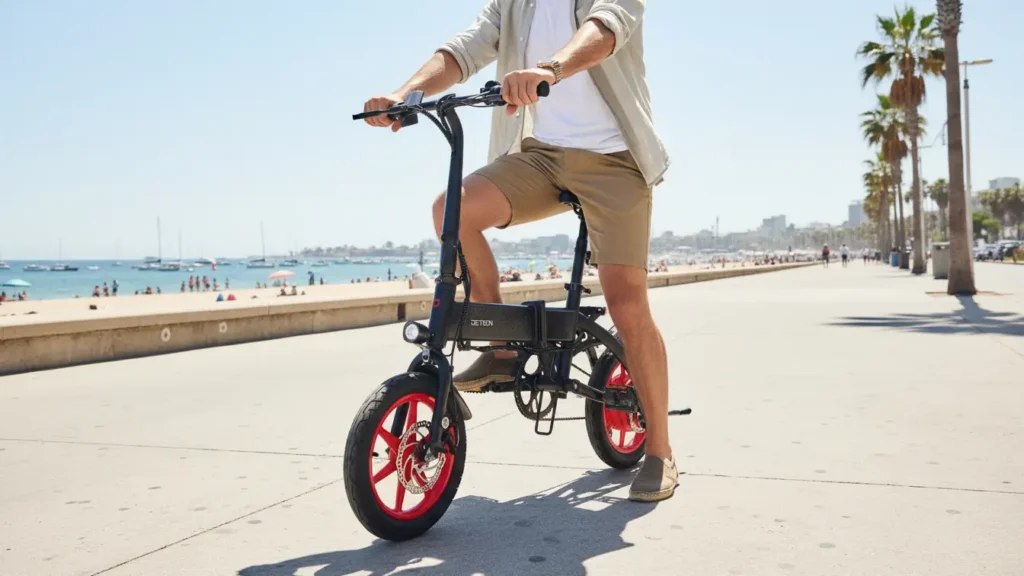
Final Verdict: Is a Jetson E-Bike Worth It?
The answer is a qualified “Yes, for the right person.”
Think of a Jetson e-bike less as a traditional bicycle and more as a motorized personal transporter that happens to have pedals. It succeeds brilliantly as an affordable, convenient, and fun machine for short-range, light-duty travel.
Your decision should come down to expectation management:
- If you need a car replacement for a 10-mile each-way commute with big hills, look elsewhere.
- If you want a low-cost, fun, and practical solution for trips under 5 miles and value easy storage, a Jetson is a compelling option.
Before purchasing, always check the latest model specifications and, crucially, read recent customer reviews to gauge the long-term reliability of the specific model you’re considering.
Helpful Takeaway
A Jetson e-bike is the embodiment of “you get what you pay for” in the best possible sense for casual riders. It delivers core e-bike functionality—motor assist, throttle convenience, and electric range—at a remarkably accessible price, by making intelligent compromises on range, component quality, and all-terrain capability. For short, flat trips and first-time e-bike users, it represents genuine value. For demanding commutes or performance riding, its limitations will quickly become apparent. Define your needs first, and let that guide your choice.