Semi-Solid-State Batteries Are Finally Coming to E-Bikes – And This Time, It’s Real
For years, the e-bike industry has heard the same promise: revolutionary battery technology is “just around the corner.” Much like the electric car market, solid-state batteries have been hyped as the future of mobility, offering better safety, faster charging, and longer lifespan. Yet despite the excitement, most riders never actually saw these batteries appear on real production e-bikes.
That finally appears to be changing.
The latest wave of semi-solid-state battery technology is no longer limited to concept announcements or laboratory demonstrations. Several respected companies in the electric bicycle industry are now actively preparing production-ready e-bikes equipped with this next-generation battery chemistry.
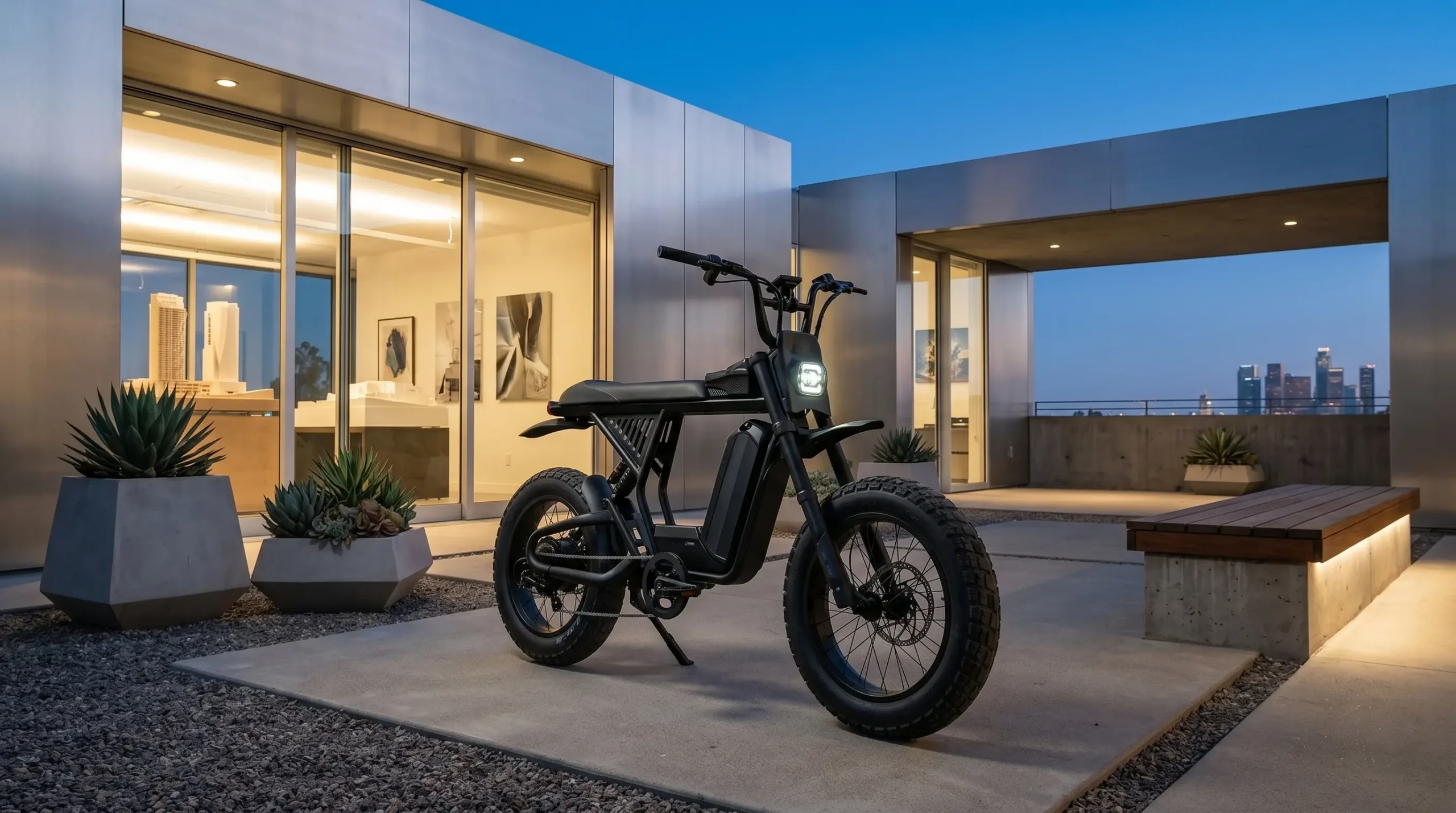
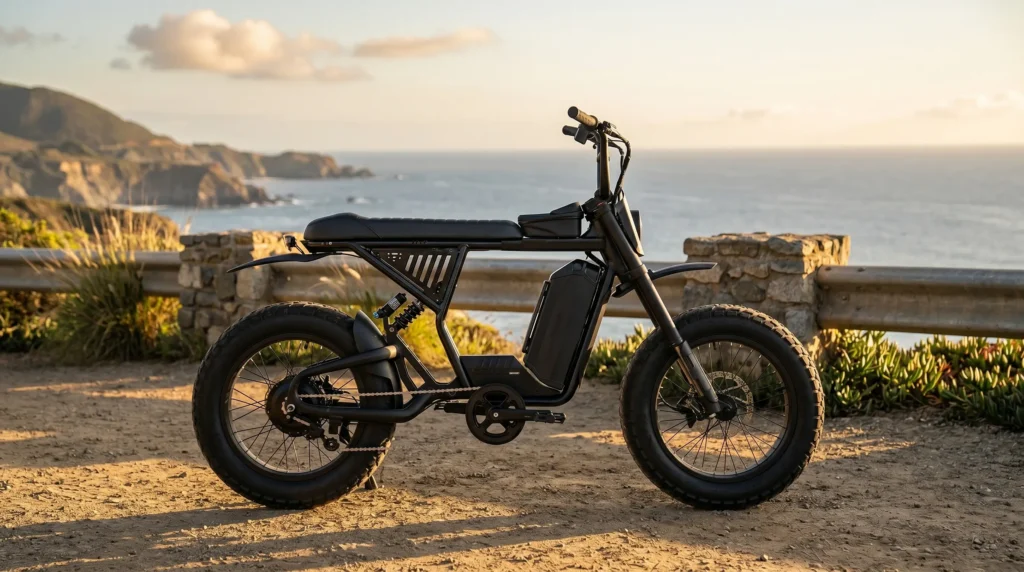
Companies connected to Bafang’s battery development arm, T&D, have already introduced semi-solid-state battery systems for e-bikes. Giant has reportedly begun integrating the technology into selected models, and Ride1Up recently announced its Revv1 EVO moped-style electric bike featuring a semi-solid-state battery pack.
More importantly, these projects are moving beyond marketing claims. Ride1Up confirmed that its first production battery batches are already undergoing UL certification testing through TUV laboratories ahead of planned deliveries.
For the first time, semi-solid-state batteries look poised to become a real part of the e-bike market rather than another futuristic promise.
Why Semi-Solid-State Batteries Matter for E-Bikes
Over the last decade, e-bikes have improved dramatically. Motors became more efficient, torque sensors got smarter, displays became connected, and overall ride quality improved significantly.
But the one component that barely evolved was the battery itself.
Most modern e-bikes still rely on traditional lithium-ion battery chemistry. While manufacturers increased range by improving packaging and energy density, the underlying battery technology remained largely the same.
Semi-solid-state batteries may finally represent the first major breakthrough in e-bike power systems in years.
Although they are not fully solid-state batteries, semi-solid-state designs reduce the amount of liquid electrolyte used inside the battery. This creates several important advantages while remaining practical enough for large-scale production.
The result is a battery that can potentially offer:
- Improved thermal stability
- Longer lifespan
- Faster charging capability
- Better cold-weather performance
- Increased overall safety
- Higher energy density
For e-bike riders, those benefits could significantly improve both daily commuting and long-distance riding.
Longer Battery Lifespan Could Change E-Bike Ownership
One of the biggest concerns among e-bike owners is battery degradation over time.
Traditional lithium-ion batteries gradually lose capacity after repeated charge cycles, eventually requiring expensive replacement packs. Depending on usage habits, many riders begin noticing reduced performance after several years.
Semi-solid-state batteries could dramatically extend battery life.
Early industry estimates suggest these batteries may last two to three times longer than conventional lithium-ion packs. If real-world performance matches those expectations, riders may be able to keep the same battery for close to a decade before needing replacement.
That would significantly reduce long-term ownership costs and make premium e-bikes a more attractive investment.
For commuters who rely on their bikes daily, longer battery life could become one of the most valuable improvements in modern e-bike technology.
Faster Charging Could Make E-Bikes More Convenient
Charging convenience remains another important challenge in the e-bike market.
Many riders currently charge overnight because rapid charging can accelerate battery wear in traditional lithium-ion systems.
Semi-solid-state batteries may help solve that issue.
Because of their improved thermal management and chemical stability, these batteries are expected to tolerate faster charging with less long-term degradation.
In practical terms, riders could potentially recharge during a lunch break, at work, or while running errands instead of waiting hours for a full charge at home.
As urban transportation increasingly shifts toward electric mobility, faster charging could make e-bikes even more practical for everyday transportation.
Better Cold-Weather Performance for Year-Round Riding
Cold temperatures are notoriously difficult for lithium-ion batteries.
Many e-bike riders experience noticeable range loss during winter months, sometimes losing a significant percentage of usable battery capacity in freezing conditions.
Semi-solid-state batteries could perform far better in extreme temperatures.
Improved electrolyte stability may allow these batteries to maintain stronger performance in cold climates, helping riders preserve range and efficiency during winter commuting.
For riders living in colder regions, this improvement could make e-bikes a truly year-round transportation option instead of a seasonal vehicle.
Improved Safety Is a Major Advantage
Battery safety has become one of the most discussed topics in the e-bike industry.
As electric bike adoption continues growing in dense urban environments, concerns surrounding battery fires and thermal runaway events have increased.
Traditional lithium-ion batteries rely heavily on flammable liquid electrolytes. Under certain conditions – including damage, overheating, or manufacturing defects — those materials can contribute to dangerous failures.
Semi-solid-state batteries aim to reduce those risks.
By minimizing liquid electrolyte content, manufacturers hope to create batteries that are far more resistant to overheating and thermal instability.
While no battery system is completely risk-free, improved safety could become one of the strongest selling points for next-generation e-bike battery technology.
How Semi-Solid-State Batteries Could Change the E-Bike Industry
If semi-solid-state batteries prove reliable at scale, they may reshape competition across the entire e-bike market.
Today, most brands compete using familiar specifications:
- Motor power
- Battery size
- Top speed
- Range
- Price
But next-generation battery technology could shift the conversation toward:
- Battery lifespan
- Charging speed
- Safety
- Reliability
- Total cost of ownership
That creates a much bigger technological challenge for manufacturers.
Increasing motor wattage is relatively easy. Developing and integrating entirely new battery chemistry is much harder, especially when it requires updated manufacturing systems, new certification processes, and expanded supply chains.
Early adopters may gain a significant advantage if consumers begin prioritizing long-term battery performance over raw specifications.
The electric vehicle market has already demonstrated how advanced battery technology can become a major competitive differentiator. The same transition could now begin happening in the e-bike sector.
Are Fully Solid-State Batteries Still Coming?
Yes – but they are still years away from mainstream affordability and mass production.
Fully solid-state batteries replace liquid electrolytes entirely with solid materials, potentially unlocking even higher energy density and safety improvements.
However, large-scale manufacturing challenges and high production costs continue to limit widespread adoption.
Semi-solid-state batteries represent an important middle ground.
They deliver many of the same benefits while remaining practical enough for near-term commercial use.
For the e-bike industry, this may be the perfect transitional technology that bridges the gap between today’s lithium-ion systems and the fully solid-state future.
The Future of E-Bike Batteries Has Officially Started
There are still unanswered questions surrounding semi-solid-state batteries.
The industry still needs long-term real-world data on:
- Battery durability
- Performance consistency
- Manufacturing scalability
- Repairability
- Cost reduction over time
However, the biggest milestone has already happened: production-ready e-bikes using semi-solid-state batteries are now entering the market.
This is no longer theoretical technology confined to trade shows or research labs.
Established e-bike brands are actively integrating next-generation battery systems into real products aimed at everyday riders.
That marks the beginning of a major transition for the electric bicycle industry.
For years, the motor received most of the attention in e-bike innovation. Now, the battery — arguably the most important component of any electric bike — is finally beginning its next evolution.
And this time, it looks real.
FAQ: Semi-Solid-State Batteries in E-Bikes
What is a semi-solid-state battery?
A semi-solid-state battery is a hybrid battery design that uses less liquid electrolyte than traditional lithium-ion batteries. It combines some benefits of fully solid-state technology while remaining easier and cheaper to manufacture.
Are semi-solid-state batteries safer than lithium-ion batteries?
Yes, they are expected to be safer because they reduce reliance on flammable liquid electrolytes, lowering the risk of overheating and thermal runaway.
Will semi-solid-state batteries increase e-bike range?
Potentially yes. Improved energy density may allow manufacturers to build lighter batteries with similar range or larger-capacity batteries without significantly increasing weight.
How long do semi-solid-state e-bike batteries last?
Early estimates suggest they could last two to three times longer than standard lithium-ion batteries, though long-term real-world testing is still ongoing.
When will semi-solid-state e-bikes become common?
The first commercial models are already beginning to appear in 2026. Wider adoption will likely increase over the next several years as production scales and costs decrease.