Best Mountain Bike Saddles for E-Bikes 2026: Top Off-Road Options Tested
When you’re pushing hard on technical trails with an e-bike, saddle choice becomes more than a comfort upgrade – it’s a performance decision.
Modern e-MTBs deliver serious torque from mid-drive motors and consistent seated power thanks to torque and cadence sensors. Add in the extra weight of the motor and battery pack, and your saddle absorbs more load, more vibration, and more sustained seated climbing than on a traditional MTB.
A poor saddle leads to numbness, chafing, hot spots, and premature fatigue — all of which cut rides short. A properly chosen saddle improves pedaling efficiency, reduces pressure, and keeps you stable when terrain gets rough.
We tested these mountain bike saddles on real-world e-MTB loops:
- 50+ mile trail rides
- 3,000m elevation days
- Wet, muddy conditions
- High-torque seated climbing
- Repeated dropper post transitions
Each saddle below is compatible with modern dropper posts and built to handle the additional stress of off-road e-bike use.
What Makes a Good E-MTB Saddle?
Before diving into individual models, here’s what matters most for e-bike riders.
1. Pressure Relief and Cutouts
Long seated climbs under motor assist increase soft tissue pressure. Saddles with well-designed cutouts or relief channels improve blood flow and reduce numbness.
2. Flex-Tuned Shells
A slightly compliant shell absorbs trail chatter and motor-induced vibration without feeling mushy. Too rigid feels harsh. Too soft wastes pedaling energy.
3. Rail Strength
E-bikes are heavier. Rails must withstand:
- Higher rider + bike weight
- Increased seated torque
- Repeated impacts
Titanium and chromoly rails are common choices for durability and vibration control.
4. Shape and Movement
- Flat saddles allow dynamic weight shifts.
- Waved or stepped saddles stabilize the pelvis.
- Short-nose designs improve maneuverability on steep terrain.
5. Proper Width
Correct sit bone support prevents pressure points. Most performance saddles come in multiple widths – measure before buying.
Top Mountain Bike Saddles for E-Bikes 2026
Proxim Nembo – Ultimate Trail Shredder
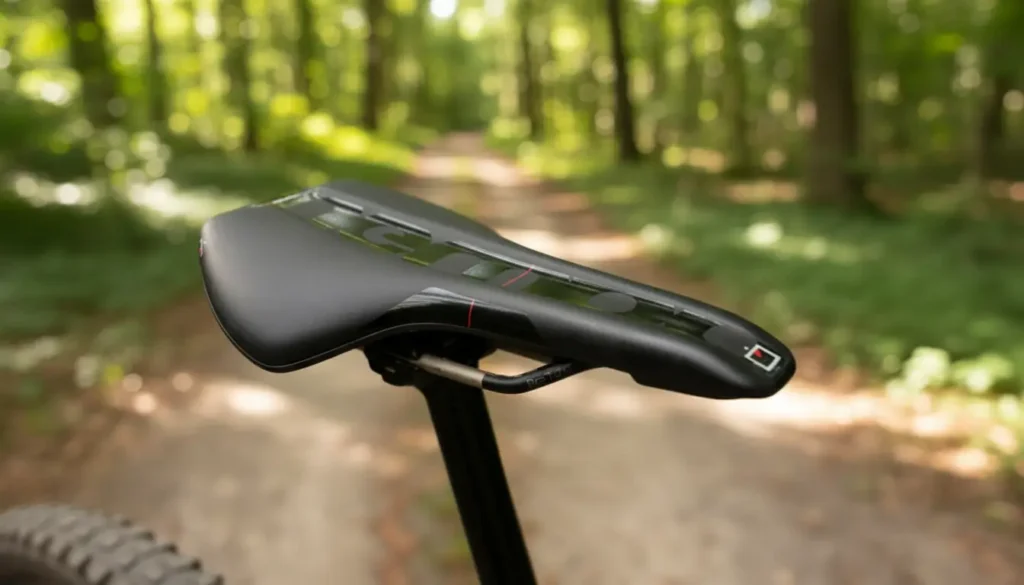
Best for: Aggressive enduro and torque-heavy climbing
The Proxim Nembo is purpose-built for riders who push hard. Its short nose and wide rear platform distribute weight evenly during seated sprints powered by a torque sensor-equipped mid-drive motor.
Key Specs
- 140mm width
- Carbon-reinforced shell
- Titanium rails
- Approx. 249g
Why It Excels Off-Road
The pronounced cutout maintains blood flow on long descents and seated grinds. Strategic flex zones in the shell absorb vibration without sacrificing pedaling stability.
E-Bike Performance
- Stable under high-torque climbing
- Handles combined rider + bike system weight confidently
- No noticeable rail flex during torque spikes
Test Notes
- Zero slippage in muddy conditions
- Remained comfortable after 4-hour high-cadence efforts
For aggressive e-MTB riders upgrading for enduro terrain, the Nembo balances stiffness, weight, and trail control exceptionally well.
WTB Volt Fusion Form Titanium – Versatile All-Rounder
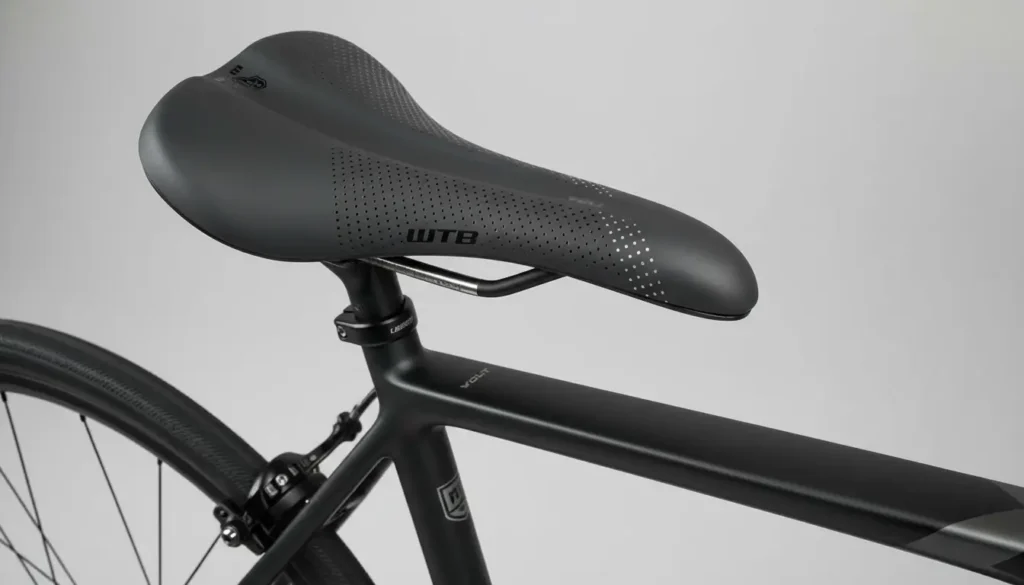
Best for: Mixed terrain and long trail days
The Volt remains one of the most proven mountain bike saddles available. The Fusion Form construction integrates “Love Bump” padding directly into the foam, supporting the sit bones without creating pressure ridges.
Key Specs
- 135mm and 142mm widths
- Flex-tuned shell
- Titanium rails
- Approx. 200g
Why It Excels Off-Road
The scoop shape allows easy position changes during technical riding. The subtle rear rise supports the pelvis during steep seated climbs – especially useful on mid-drive e-bikes.
E-Bike Performance
- Dampens vibration from hub and mid-drive systems
- Holds shape under sustained seated power
- No rail distortion after extended testing
Test Notes
- Maintained structure after 200+ miles
- Excellent stability during seated torque peaks
This is one of the safest recommendations for e-bike owners wanting proven comfort and durability.
WTB Silverado 265 Medium Fusion Form – Refined Endurance Comfort
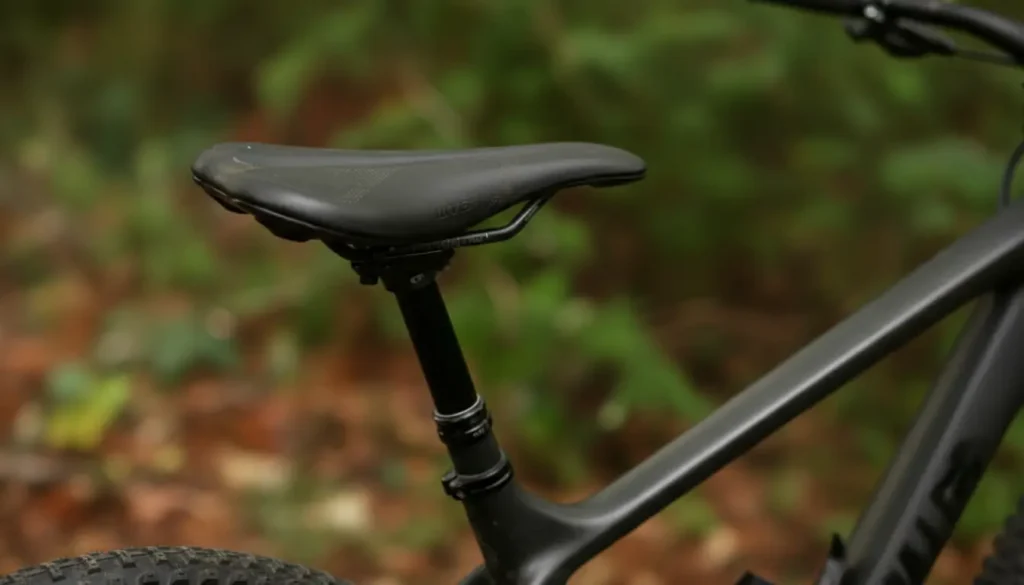
Best for: Wider sit bones and endurance e-MTB rides
The Silverado 265 offers a wider platform for riders needing additional sit bone support – common among heavier riders or those running full-suspension e-MTB setups.
Key Specs
- 265mm length
- Medium-density Fusion Form padding
- Titanium rails
- Approx. 228g
Why It Excels Off-Road
The camber profile rocks naturally with your hips during technical sections. The pressure-relief channel reduces perineal stress during long seated climbs.
E-Bike Performance
- Excellent weight distribution under battery load
- Strong vibration damping without gel-style instability
- Stable during rear suspension compression cycles
Test Notes
- No fatigue during long elevation days
- Reliable grip in wet conditions
For endurance-focused e-bike riders mixing pavement and singletrack, the Silverado delivers durability and comfort.
DMR Stage 2 – Budget Trail Workhorse
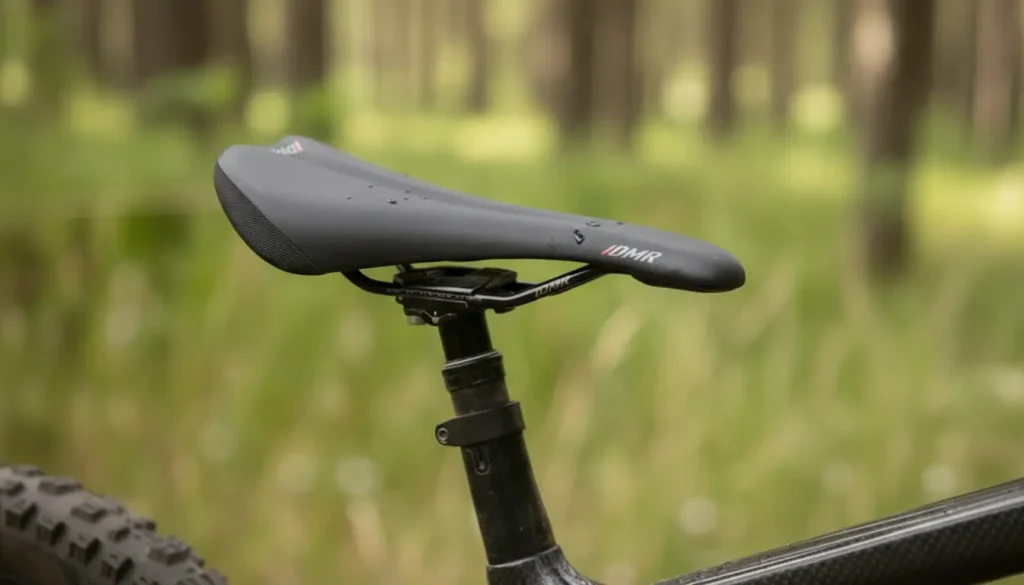
Best for: Value-focused builds and jump-heavy riding
The DMR Stage 2 proves you don’t need a premium price tag for trail durability.
Key Specs
- 145mm width
- Nylon base with cutout
- Chromoly rails
- Approx. 285g
Why It Excels Off-Road
The flat-top design offers predictable control during manuals and jump lines. Thick padding absorbs trail chatter without excessive compression.
E-Bike Performance
- Strong under heavier rear-motor builds
- Resistant to rail fatigue
- Durable microfiber cover withstands abrasion
Test Notes
- Survived rock strikes without cracking
- Comfortable during repeated dropper use
For DIY riders upgrading on a budget, this saddle pairs well with a properly torqued seatpost clamp and basic shop tools.
SQlab 611 Ergowave – Ergonomic Pressure Control
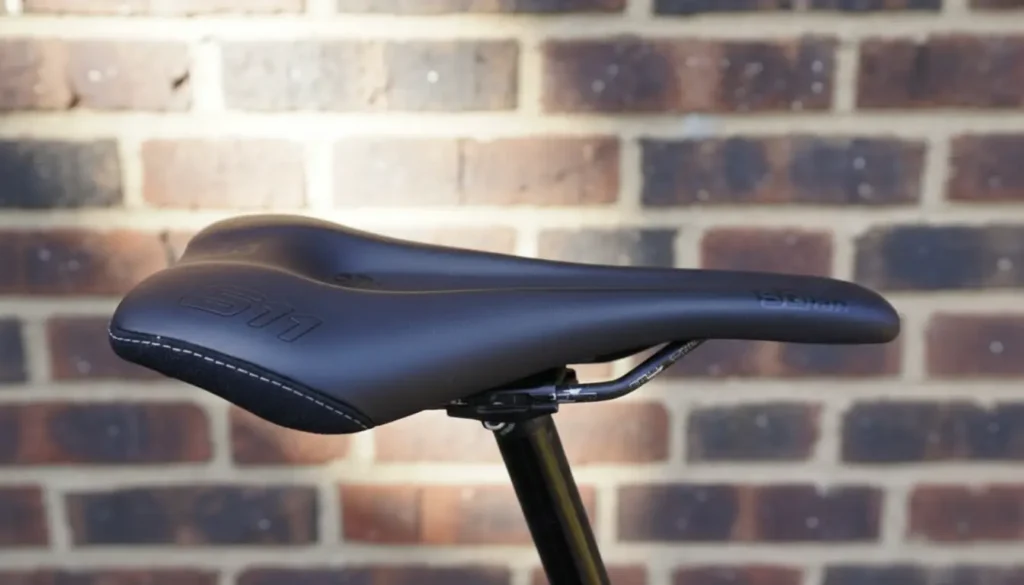
Best for: Riders prone to numbness or pelvic instability
SQlab approaches saddle design biomechanically. The Ergowave stepped shape supports the sit bones while lowering pressure toward the nose.
Key Specs
- 130mm and 145mm widths
- Ergowave stepped shell
- Chromoly rails
- Approx. 250g
Why It Excels Off-Road
The stepped rear stabilizes pelvic position. The lowered nose reduces soft tissue compression and improves hip angle – especially useful during prolonged seated pedaling.
E-Bike Performance
- Ideal for mid-drive bikes with extended seated climbing
- Reduces fatigue over battery-range-length rides
- Stable during technical descents
Test Notes
- Significantly reduced numbness during testing
- Strong stability during drop-offs
Measure your sit bones carefully before choosing width – this saddle rewards precision fit.
Smanie Explorer Sport – Lightweight Adventure Option
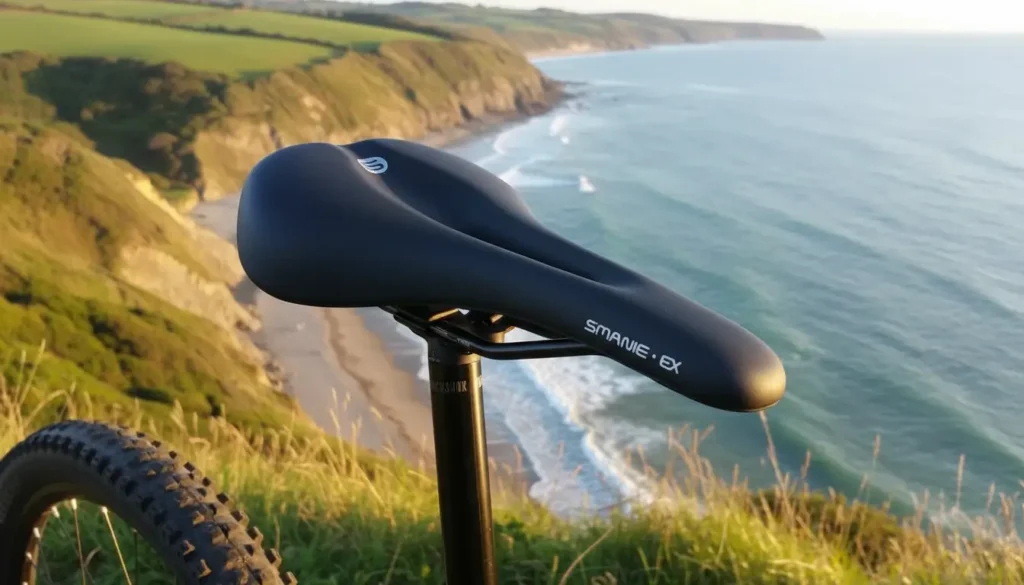
Best for: Trail exploration and bikepacking e-MTBs
The Explorer Sport uses a hammock-style central zone that adapts to movement over unpredictable terrain.
Key Specs
- 140mm width
- Carbon shell
- Titanium rails
- Approx. 210g
Why It Excels Off-Road
The central flex zone absorbs impacts while minimal padding keeps pedaling responsive.
E-Bike Performance
- Lightweight feel complements long-range riding
- Rails resist twisting under load
- Stable in loose and sandy terrain
Test Notes
- No pressure buildup after 60km
- Consistent structural integrity
Ideal for riders prioritizing efficiency without sacrificing trail compliance.
WTB Devo with Pickup Ti – Modern Trail Geometry
Best for: Dynamic riding and practical handling
The Devo features a compact shape and subtle rear rise for active riding styles. The “Pickup” rear contour also makes lifting heavier e-bikes easier.
Key Specs
- 130mm and 150mm options
- Scoop shell
- Titanium rails
- Approx. 190g
Why It Excels Off-Road
The angled nose supports forward climbing position shifts. The wider tail improves descending stability.
E-Bike Performance
- Absorbs vibration without excessive flex
- Stable under high-cadence torque loads
- Useful shape for maneuvering heavier bikes
Test Notes
- Maintained position through berms
- Padding retained resilience over time
A practical upgrade for riders dialing in their e-MTB cockpit.
Bontrager Verse Elite – Proven Reliability
Best for: Balanced performance and OEM-level quality
The Verse Elite uses a short-nose profile and full-length cutout to reduce pressure and improve blood flow.
Key Specs
- 145mm width
- Carbon-reinforced base
- Chromoly rails
- Approx. 225g
Why It Excels Off-Road
The center channel reduces compression during seated torque efforts. Padding remains consistent over rough terrain.
E-Bike Performance
- Integrates well with modern steep seat tube angles
- Durable in wet trail environments
- Stable under sustained seated power
Straightforward installation makes it a solid choice for home mechanics.
SDG Bel-Air V3 Lux-Alloy – Plush Yet Controlled
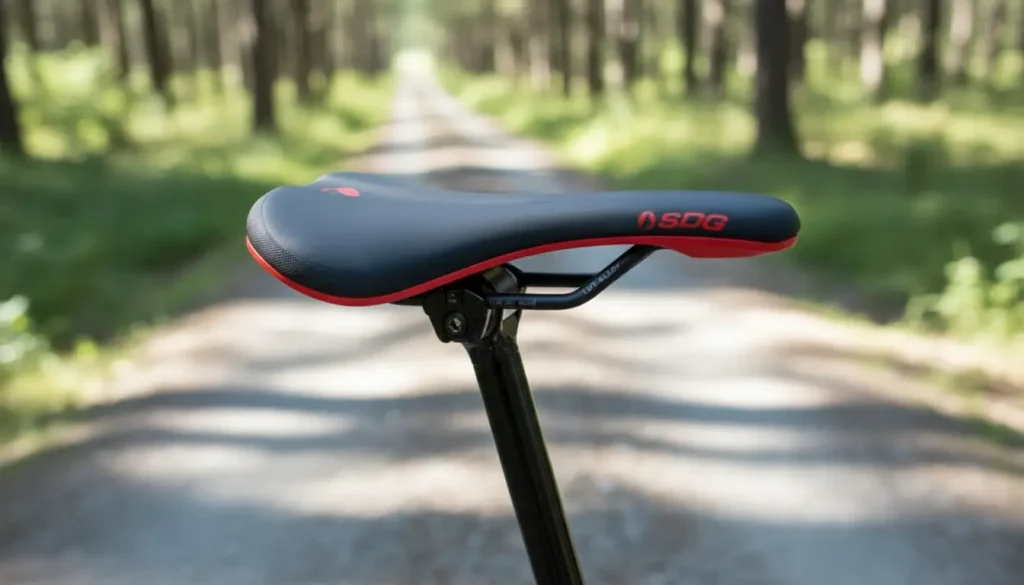
Best for: Riders wanting comfort without instability
The Bel-Air V3 balances multi-density foam with structural support.
Key Specs
- 140mm width
- Multi-density foam
- Lux-Alloy rails
- Approx. 260g
Why It Excels Off-Road
A deep cutout improves pressure relief while the slightly raised rear supports climbing posture.
E-Bike Performance
- Handles downtube battery weight distribution
- Resists long-term foam collapse
- Stable during repeated seated climbing
Test Notes
- Maintained padding resilience after 100+ hours
- Excellent thigh clearance on technical features
Reliable, durable, and well-suited to enduro e-MTB use.
How to Choose the Right E-Bike Saddle
Your riding style determines the ideal shape.
Aggressive Enduro
- Proxim Nembo
- SDG Bel-Air V3
All-Day Trail Riding
- WTB Volt
- WTB Silverado
Budget Trail Builds
- DMR Stage 2
Maximum Pressure Relief
- SQlab 611
- Bontrager Verse Elite
How to Install Your E-MTB Saddle Correctly
Proper installation matters – especially with the added torque and weight of an e-bike.
1. Remove the Old Saddle
Loosen the seatpost clamp bolts (typically 4–6Nm). Slide rails out evenly.
2. Inspect and Prep
- Clean clamp hardware.
- Apply carbon assembly paste if using carbon components.
- Inspect rails for compatibility with your clamp (round vs. oversized).
3. Mount and Align
- Position saddle level using a small bubble level.
- Center rails within clamp.
- Torque bolts evenly to manufacturer specification (commonly 5–7Nm – always verify).
Use a calibrated torque wrench. Over-tightening can crush rails or damage seatposts.
4. Dial Fore-Aft Position
Adjust in 5mm increments.
Goal: neutral knee tracking over pedal spindle when crank arms are horizontal.
5. Test and Recheck
After 50 miles, re-check torque. E-bike torque and trail vibration can loosen hardware.
Final Thoughts
The best mountain bike saddle for 2026 isn’t simply the lightest or most expensive – it’s the one that fits your anatomy, riding style, and e-bike setup.
Because e-MTBs increase seated climbing time and system weight, saddle durability and pressure management matter more than ever.
Before buying:
- Measure sit bone width
- Choose correct saddle width
- Install using proper torque
- Fine-tune tilt and fore-aft position
A well-fitted saddle improves power transfer, reduces fatigue, and allows you to fully enjoy your e-bike’s range and capability.
Ride longer. Climb stronger. Stay comfortable.