E-Bikes Are Great, Actually: The Modern Transportation Hero
Electric bikes have moved from niche gadgets to mainstream transportation-and for good reason. Once dismissed as “cheating” or a novelty for tech lovers, electric bikes are now reshaping how people commute, exercise, explore nature, and reduce their environmental footprint. From busy city streets to rugged mountain trails, the rise of the electric ebike is changing the conversation around modern mobility.
In today’s world of rising fuel costs, congested roads, and growing environmental concerns, the electric bicycle stands out as a practical, joyful, and forward-thinking solution. Whether you’re curious about a folding electric bike for daily commuting or an electric mountain bike for weekend adventures, this in-depth guide will show exactly why e-bikes are not just good-but genuinely transformative.
Best Electric Bikes to Consider (Top Picks on Amazon)
Disclosure: This section may contain affiliate links at no extra cost to you.
- Jasion EB5 Electric Bike for Adults
- ANCHEER 26″ Electric Bike for Adult
- Hoverfly OUREA 26″ Electric Bike
- Windone E2 Electric Bike for Adults
- Gotrax R7″ Folding Electric Bike
What Is an E-Bike, Really? Demystifying the Technology
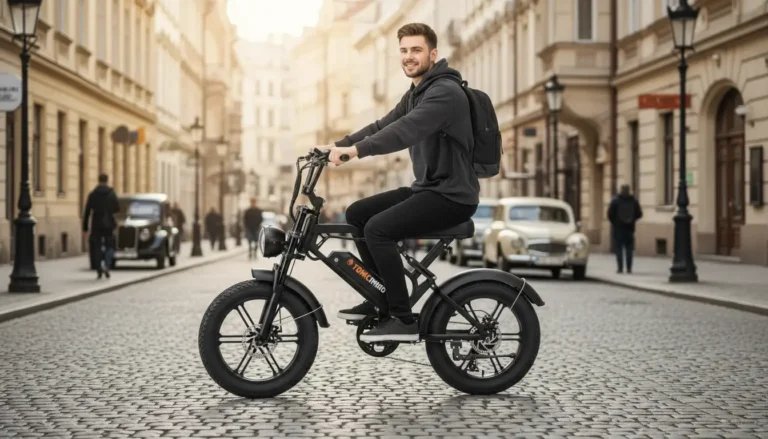
An e-bike, also known as an electric bicycle, looks much like a traditional bike but includes an integrated electric motor and rechargeable battery. The defining feature is pedal assistance, meaning the motor supports your effort instead of replacing it.
This subtle but powerful distinction transforms cycling from something physically demanding into something accessible, inclusive, and empowering-without removing the joy of riding.
How E-Bikes Work: Simpler Than You Think
Most electric bikes use a pedal-assist system (PAS). When you pedal, sensors activate the motor to provide proportional assistance. Some models also include a throttle for instant acceleration from a standstill.
Key components include:
- Electric Motor – Hub-drive (wheel-based) or mid-drive (crank-based)
- Rechargeable Battery – Usually lithium-ion, measured in watt-hours (Wh)
- Controller & Sensors – Cadence sensors detect movement; torque sensors measure pedaling force for a more natural ride
- Display Unit – Shows speed, battery level, range, and assist mode
Unlike scooters or motorcycles, an electric ebike is always human-powered at its core. You’re still cycling—you just feel stronger doing it.
Why the Skepticism? Busting Common E-Bike Myths
Despite their rapid adoption, e-bikes still face criticism. Let’s clear the air.
Myth 1: “E-Bikes Are Cheating”
Reality: Technology has always enhanced human ability. Just like power steering or GPS, an electric bike expands what’s possible-longer rides, steeper hills, more frequent use. You’re still pedaling and still exercising.
Myth 2: “They’re Only for Older or Unfit People”
Reality: E-bike riders span all ages and fitness levels. Athletes use electric mountain bikes to maximize trail time, commuters replace cars, and families rely on cargo e-bikes. The diversity is the point.
Myth 3: “They’re Dangerous”
Reality: Electric bicycles are regulated in most regions through speed-limited classes (Class 1, 2, and 3). When ridden responsibly, they are no more dangerous than traditional bikes—and often safer due to improved stability and visibility.
Myth 4: “The Battery Will Leave You Stranded”
Reality: Modern batteries are reliable, efficient, and predictable. Most electric bikes offer 20–70 miles per charge. And if the battery runs out? You can still pedal home.
The Unbeatable Benefits: Why E-Bikes Are More Than a Trend
The rapid growth of e-bikes isn’t hype-it’s a response to real-world problems.
1. They Make Cycling Accessible to Everyone
Hills, distance, wind, and physical limitations stop many people from riding. An electric bike removes those barriers.
Perfect for:
- Older adults seeking low-impact mobility
- Beginners building fitness confidence
- People recovering from injuries
- Commuters who want to arrive fresh, not exhausted
Lower effort means higher participation-and that changes everything.
2. They’re Genuinely Good for Your Health
The idea that e-bikes don’t count as exercise is outdated.
Proven health benefits include:
- Moderate cardiovascular exercise
- Improved joint mobility
- Better mental health and stress reduction
- Increased riding consistency
Studies show e-bike riders often ride more frequently and for longer distances than traditional cyclists—making them healthier overall.
3. They Can Replace a Car (and Save You Money)
For trips under 10 miles, an electric ebike is often faster than driving.
Cost comparison:
- Electric bike:
- Charging: ~$20/year
- Maintenance: minimal
- Car:
- Fuel, insurance, parking, depreciation
- Over $10,000 per year on average
Many riders recover the cost of their bike within months. That’s why some of the best electric bikes are seen as financial investments, not luxuries.
4. Environmental Benefits You Can’t Ignore
Switching to electric bicycles has a measurable impact:
- Zero direct emissions
- Tiny energy footprint
- Reduced traffic congestion
- Quieter, cleaner neighborhoods
Cities embracing e-bikes see real improvements in air quality and livability.
5. The Joy Factor: Why Riders Love E-Bikes
Logic aside, e-bikes are simply fun.
- Smooth acceleration
- Effortless hill climbing
- Confidence in traffic
- Freedom to explore farther
Many riders describe an immediate sense of freedom-the kind that makes cycling addictive again.
Types of Electric Bikes: Finding the Right Fit
Not all e-bikes serve the same purpose. Choosing the right type matters.
Electric Mountain Bike: Power Meets Adventure
An electric mountain bike is built for off-road terrain, steep climbs, and rugged trails.
Best for:
- Trail riding
- Mountain landscapes
- Outdoor enthusiasts
High-torque motors and suspension systems let riders go farther without burnout.
Folding Electric Bike: The Urban Game-Changer
A folding electric bike is designed for compact living and multi-modal commuting.
Ideal for:
- Apartments
- Public transport users
- Car trunks and RVs
Portability is the superpower here.
Commuter & Urban Electric Bikes
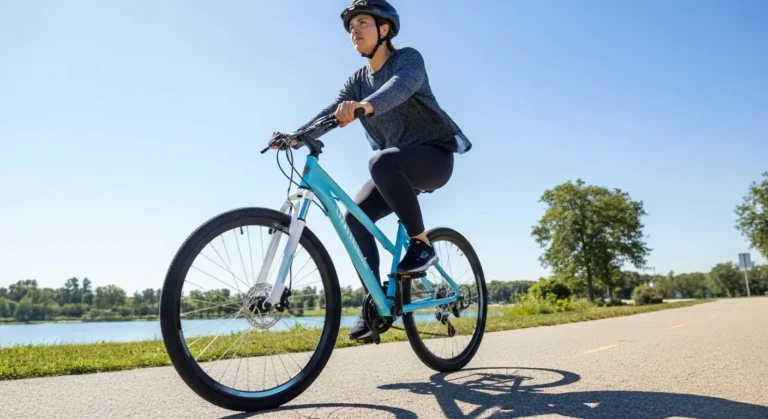
Designed for reliability and comfort, these are often considered the best electric bikes for everyday use.
Features include:
- Integrated lights
- Racks and fenders
- Upright riding posture
Perfect for replacing short car trips.
Cargo Electric Bikes
Built to haul groceries, kids, or equipment—these bikes function like car replacements.
How to Choose the Best Electric Bikes for Your Needs
A Simple 5-Step Checklist
- Define your main use (commute, trails, errands)
- Set a realistic budget (include locks and safety gear)
- Test ride whenever possible
- Compare battery size and motor type
- Choose a brand with solid warranty and service support
The best electric bikes aren’t the most expensive—they’re the ones that fit your life.

Safety, Laws, and Everyday Riding Tips
Stay Safe on an Electric Bike
- Always wear a helmet
- Use lights day and night
- Start with lower assist levels
- Allow extra braking distance
Know the E-Bike Classes
- Class 1: Pedal-assist up to 20 mph
- Class 2: Throttle + pedal-assist up to 20 mph
- Class 3: Pedal-assist up to 28 mph
Always check local regulations before riding.
The Future of Electric Bicycles
E-bikes are no longer alternatives-they’re becoming core transportation tools.
Expect:
- Lighter batteries
- Smarter technology
- Better infrastructure
- Wider global adoption
The electric bicycle is shaping healthier cities and more human-centered mobility.
Frequently Asked Questions About E-Bikes
Are electric bikes worth buying?
Yes, electric bikes are worth buying because they make commuting easier, reduce transportation costs, and encourage regular physical activity while remaining eco-friendly.
Do electric bikes provide real exercise?
Yes, electric bikes provide real exercise. Riders actively pedal and typically achieve moderate-intensity physical activity that supports cardiovascular health and consistency.
How far can an electric bike go on one charge?
Most electric bikes can travel between 20 and 70 miles on one charge, depending on battery size, terrain, rider weight, and pedal-assist level.
Are electric bikes legal to ride?
Yes, electric bikes are legal in most regions and are classified into different categories based on motor assistance and top speed.
What is the difference between an electric bike and a normal bike?
An electric bike has an integrated battery and motor that provides pedal assistance, making it easier to climb hills, ride into headwinds, and cover longer distances. You still have to pedal, but the motor gives you a boost. A traditional bike relies solely on your own pedal power.
H3: 2. Do you have to pedal an electric bike?
Helpful Takeaway
An electric bike isn’t a shortcut-it’s a smarter way forward. Whether it’s an electric mountain bike for adventure, a folding electric bike for city life, or a reliable commuter model, e-bikes expand freedom, improve health, and reduce environmental impact. The rise of the electric ebike isn’t hype—it’s progress on two wheels.