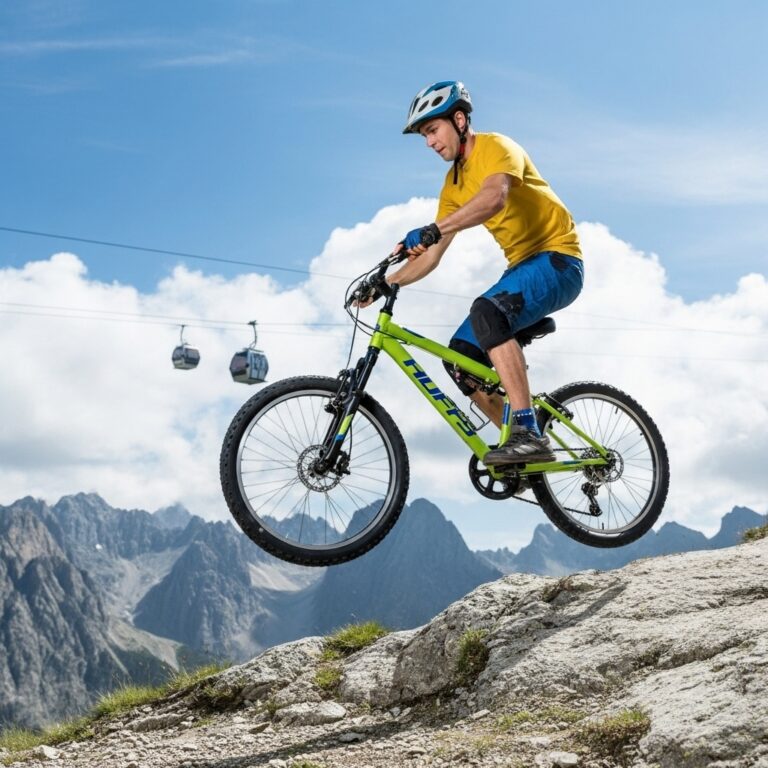
Things About Cycling That Get Better With Age | Why Riding Improves Over Time
Many of your best rides are still ahead of you-no matter how many birthdays you’ve logged.
Modern sports culture loves youth. Speed, explosiveness, and peak performance are often framed as young person’s games. In cycling, this narrative is reinforced every time a professional rider’s age is mentioned as a limitation rather than an achievement.
But anyone who has stayed on the bike long enough knows the truth.
Cycling doesn’t punish aging-it rewards experience.
Athletes like Kristin Armstrong, who won her third consecutive Olympic gold medal at age 43, are powerful reminders that performance can stretch across decades. And even outside elite competition, everyday cyclists often discover that riding becomes more satisfying, more sustainable, and more meaningful with age.
Here are eight powerful ways cycling actually gets better as you get older—plus one bonus reason that might surprise you.
1. You Learn to Balance Power, Speed, and Recovery
Perspective Replaces Obsession
In your early cycling years, progress often feels urgent. You chase:
- Higher watts
- Faster group rides
- Personal records on every climb
As the years pass, you gain something far more valuable than raw power: perspective.
You may notice modest declines in peak sprint output, but you gain:
- Smarter pacing
- Better effort distribution
- A deeper respect for recovery
You no longer hammer every ride. You understand that:
- Fitness is built over time
- Consistency beats intensity
- Recovery is not weakness—it’s strategy
Training smarter, not harder becomes second nature.
2. Time on the Bike Becomes More Meaningful
Riding Becomes an Experience, Not a Test
With age comes an awareness that time-especially ride time-is precious.
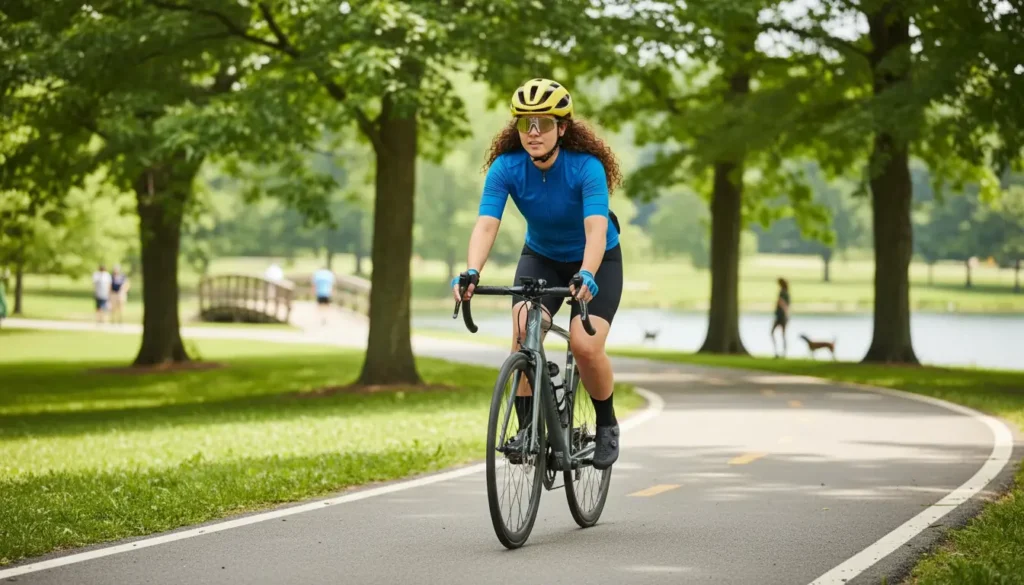
Instead of obsessing over numbers, you begin to notice:
- The rhythm of tires on pavement
- How light filters through trees
- The quiet focus that only cycling brings
Cycling becomes a form of moving meditation.
You still care about fitness, but the ride itself becomes the reward. Metrics matter less. Moments matter more.
3. Minor Mishaps Don’t Rattle You Anymore
Experience Creates Calm
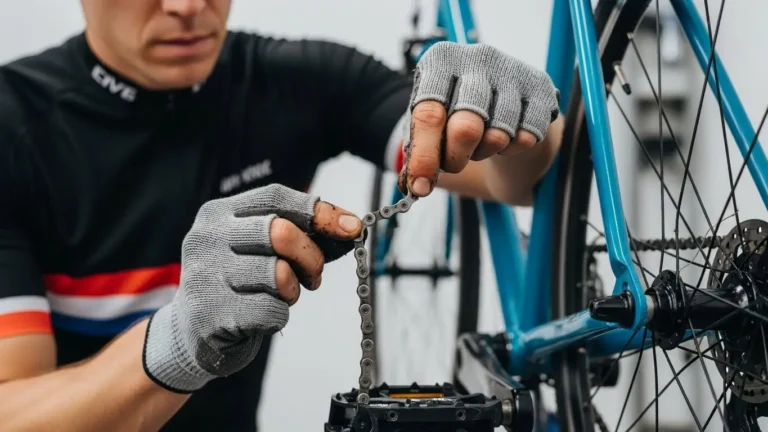
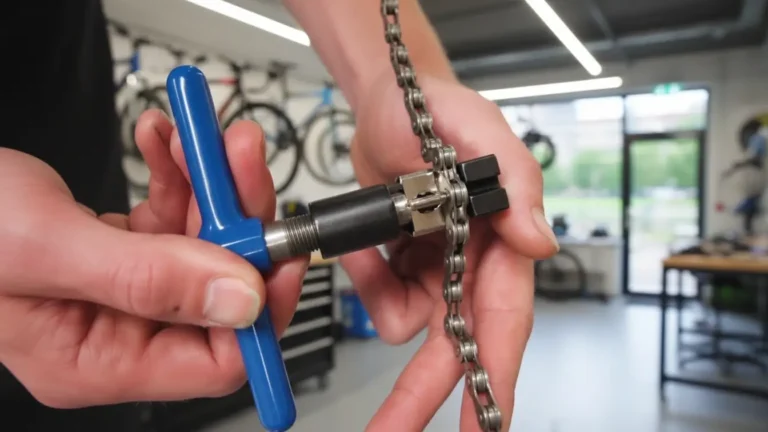
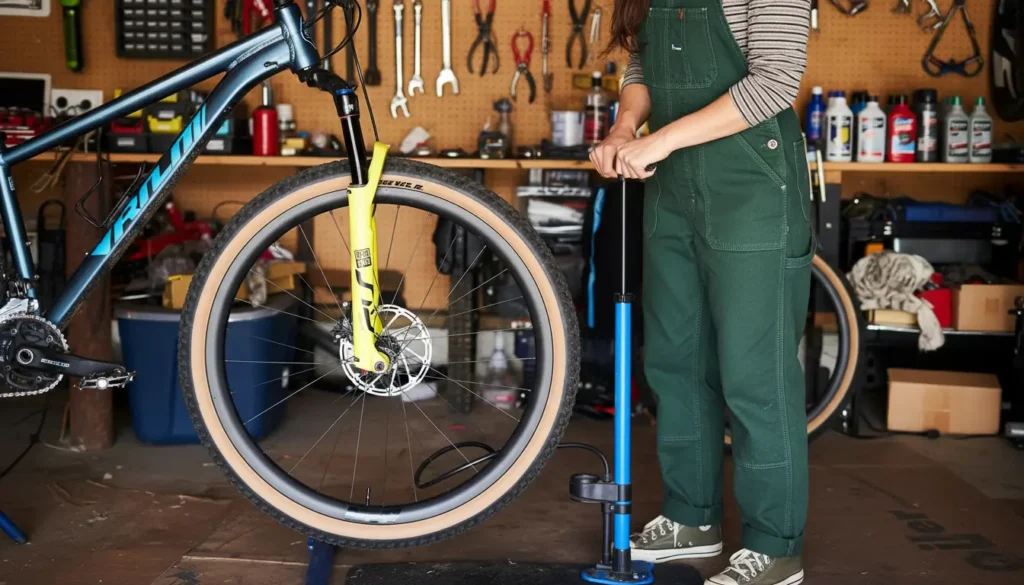
Flat tire? Broken chain? Sudden storm? Missed refill station?
You’ve seen it all.
Instead of frustration or panic, you:
- Assess the situation
- Fix what you can
- Adapt and move forward
Years on the bike teach you that nothing is catastrophic. It’s just part of the journey.
Confidence replaces stress, and that calm mindset carries into every ride.
4. You’ve Built a Cycling Community
Cycling Becomes a Shared Language
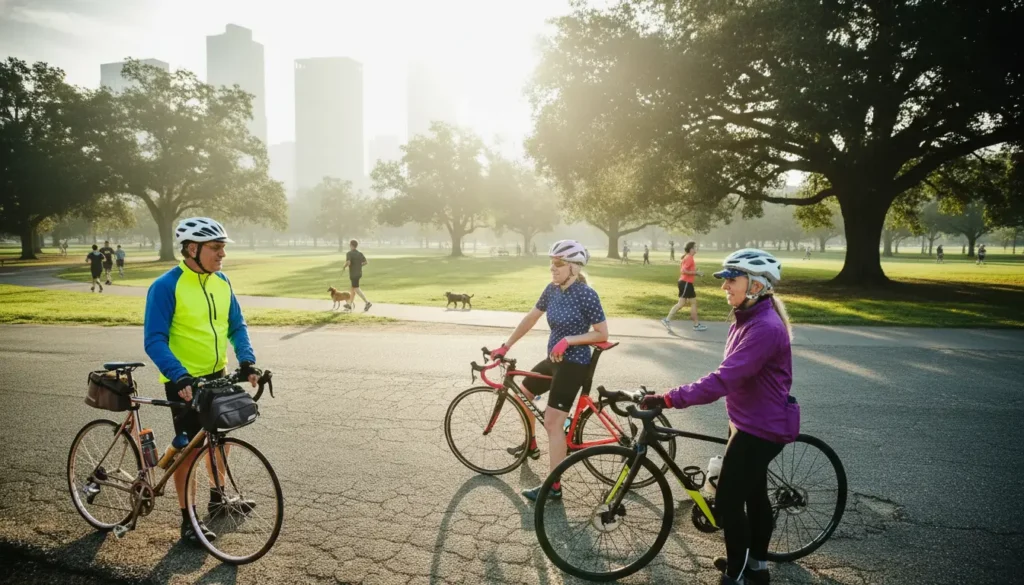
The longer you ride, the larger-and richer-your cycling world becomes.
Over time, you collect:
- Riding partners
- Familiar faces at events
- Friends across cities, states, or countries
Charity rides, centuries, and group rides begin to feel like reunions rather than events.
Cycling stops being a solo pursuit and becomes a community built on shared miles and stories.
5. You Can Ride Strong-Without Needing to Prove Anything
Sustainable Strength Wins
You haven’t lost your ability to ride hard-you’ve simply stopped needing to prove it.
You understand:
- When to go easy
- When to push
- When restraint leads to better results
Strength becomes:
- Dependable
- Sustainable
- Repeatable
Instead of chasing peak efforts, you build durable fitness that keeps you riding year after year.
6. You Can Just Get Up and Ride
Muscle Memory Is a Gift
One of the quiet advantages of experience is deep muscle memory.
Seasoned cyclists often notice they can:
- Take time off
- Return without struggle
- Ride comfortably for hours with minimal buildup
Your body remembers efficiency, cadence, and posture. What beginners train for years to develop, veterans simply carry with them.
This ease makes cycling feel natural-almost effortless.
7. You Know Exactly What to Wear in Any Weather
Comfort Is No Longer Guesswork
Fifty-two degrees and overcast? You already know the answer.
Years of trial and error teach you:
- How to layer properly
- When to use arm warmers
- Which gloves work in which conditions
You stop guessing and start knowing.
That confidence in cycling apparel and weather management leads to:
- Fewer distractions
- Better comfort
- Longer, happier rides
8. Your Bike Setup Is Fully Dialed In
Experience Beats Hype
You’ve experimented enough to know what works for your body.
You’ve refined:
- Saddle shape and height
- Handlebar width and reach
- Cleat position
- Tire size and pressure
You’re open to innovation-but not blindly.
Instead of chasing trends, you evaluate gear with confidence, choosing performance, comfort, and longevity over hype.
Bonus: You Defy Expectations
Cycling Keeps You Younger Than Your Age
Here’s the part that never gets old.
Research suggests endurance-trained athletes tend to have longer telomeres-protective DNA structures associated with longevity—than sedentary individuals.
That’s why:
- People double-take when they hear your age
- You feel younger than your peers
- Cycling doesn’t just maintain fitness-it sustains vitality
You’re not trying to look young.
You just are younger-where it counts.
Why Cycling Is One of the Best Sports for Aging Well
Cycling offers something rare:
- Low impact on joints
- High cardiovascular benefit
- Lifelong scalability
It adapts to you as you age, rather than forcing you to fight against time.
That’s why so many cyclists keep riding into their 60s, 70s, and beyond-not out of stubbornness, but because the sport meets them where they are.
Final Takeaway
Aging doesn’t diminish cycling-it deepens it.
With time, you gain:
- Wisdom instead of impatience
- Calm instead of chaos
- Community instead of comparison
- Joy instead of pressure
You may ride differently than you once did—but in many ways, you ride better.
And the best part?
Your best days on the bike may still be ahead of you.