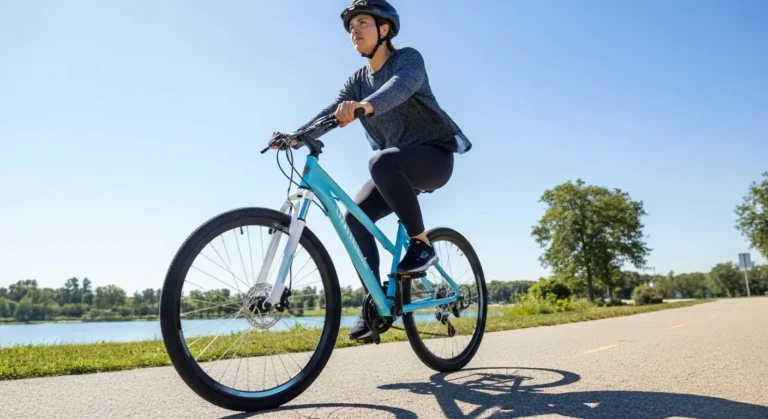
Lime’s New E-Bikes & E-Mopeds: A Tech Deep Dive vs. DIY Kits
Lime’s new fleet of shared e-bikes and e-mopeds is turning heads, but have you ever wondered about the technology powering your ride? The core of any electric vehicle is its motor, and the choice between a mid-drive and a hub motor is a hot topic for both sharing companies and personal owners.
Let’s break down the tech inside Lime’s new rides and see how it compares to the powerful motors you can buy for your own bike-building projects.
The Shared Fleet Approach: Likely Hub Motors for Simplicity
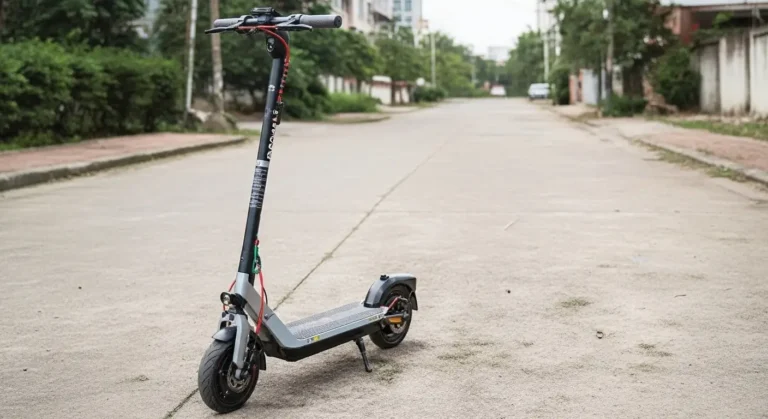
While Lime doesn’t always publicize its motor specs, shared fleets like theirs typically use hub motors for key operational reasons:
- Durability & Low Maintenance: Hub motors are housed within the wheel hub, making them less vulnerable to damage from curbs, potholes, and rough handling.
- Lower Cost: This is crucial for companies deploying thousands of vehicles.
- Simplicity & Water Resistance: Their sealed design stands up better to the elements with less need for complex servicing.
Lime’s priority is providing a reliable, consistent, and low-maintenance experience for the masses. The performance is tuned for urban commuting-enough power for hills and a top speed that complies with city regulations-making a robust hub motor the logical choice.
What a Commuter-Focused Hub Motor Looks Like:
For a similar DIY project, you’d look at a reliable, direct-drive hub motor like the 1500W Dropout Hub Motor. This type of motor offers strong, direct power and is known for its longevity, mirroring the durability needed in a sharing environment.
→ Check out the 1500W Hub Motor on Amazon
The DIY Enthusiast’s Choice: High-Performance Mid-Drives
If Lime’s vehicles are about accessibility, the DIY market is about performance and customization. This is where mid-drive motors shine. Unlike hub motors, a mid-drive is located at the bike’s crank and powers the chainring, leveraging the bike’s gears.
This leads to some major advantages:
- Superior Hill Climbing: By using the bike’s gears, a mid-drive multiplies its torque, making it exceptionally efficient on steep inclines.
- Better Weight Distribution & Handling: With the motor’s weight low and centered, the bike feels more balanced and natural to ride.
- Greater Efficiency: Because it works with your gears, it doesn’t have to work as hard, often leading to longer range from the same battery.
High-Performance Mid-Drive Options for Your Build:
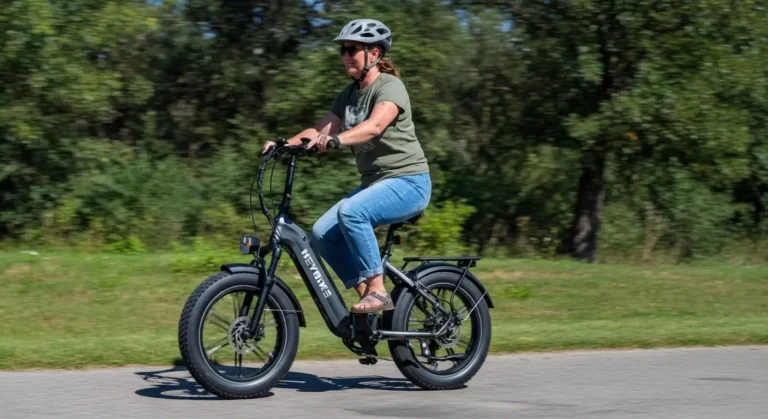
For a true off-road or performance-focused ebike, a pre-built model like the Heybike Alpha offers a complete package with a powerful mid-drive motor, perfect for tackling tough trails.
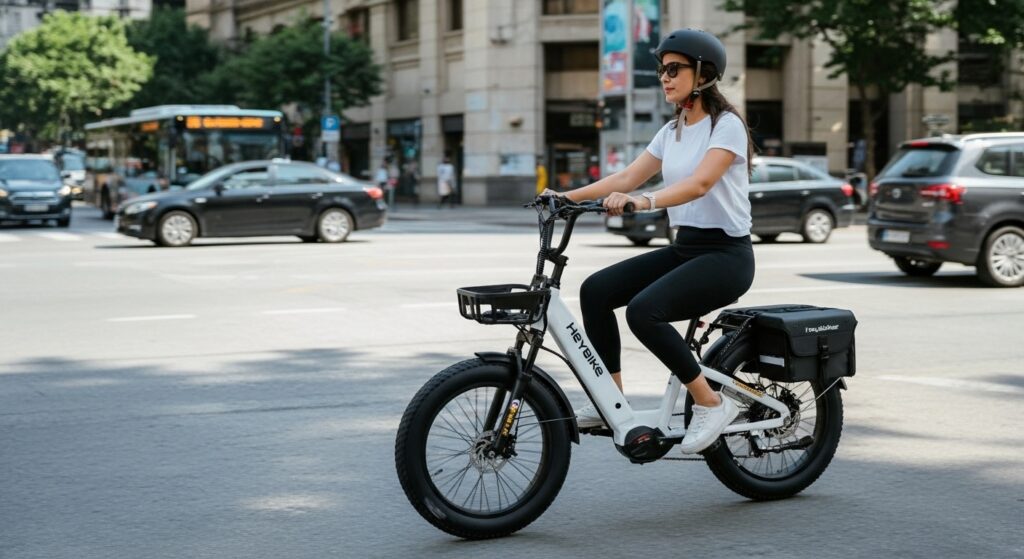
→ See the Heybike Alpha E-Bike on Amazon
For the ultimate DIY project, a conversion kit like the Varstrom Tongsheng TSDZ2B Mid-Drive Motor is a popular choice. It’s known for its responsive torque-sensing pedal assist, which provides a smooth, intuitive riding feel that mimics a traditional bicycle-just with superhuman strength.
→ Explore the Tongsheng TSDZ2B Mid-Drive Kit on Amazon

The Verdict: Purpose-Built Power
So, which is better? It all depends on your needs.
- For a Shared Fleet (Like Lime): The hub motor’s robustness and low maintenance make it the undisputed champion. It delivers a “good enough” experience for the vast majority of short urban trips with maximum reliability.
- For Your Personal E-Bike: The mid-drive’s efficiency, superior hill-climbing, and natural ride feel often make it the preferred choice for enthusiasts, mountain bikers, and anyone living in a hilly area.
Lime’s new vehicles are brilliantly designed for their purpose: to be the perfect, hassle-free vehicle for a 15-minute trip across town. But if you’re looking to build a high-performance machine tailored to your every need, the world of DIY mid-drive kits is where the real magic happens.