Heybike Mars 2.0/3.0 Electric Bike Review: E-Bike Tools, Maintenance & Safety Guide
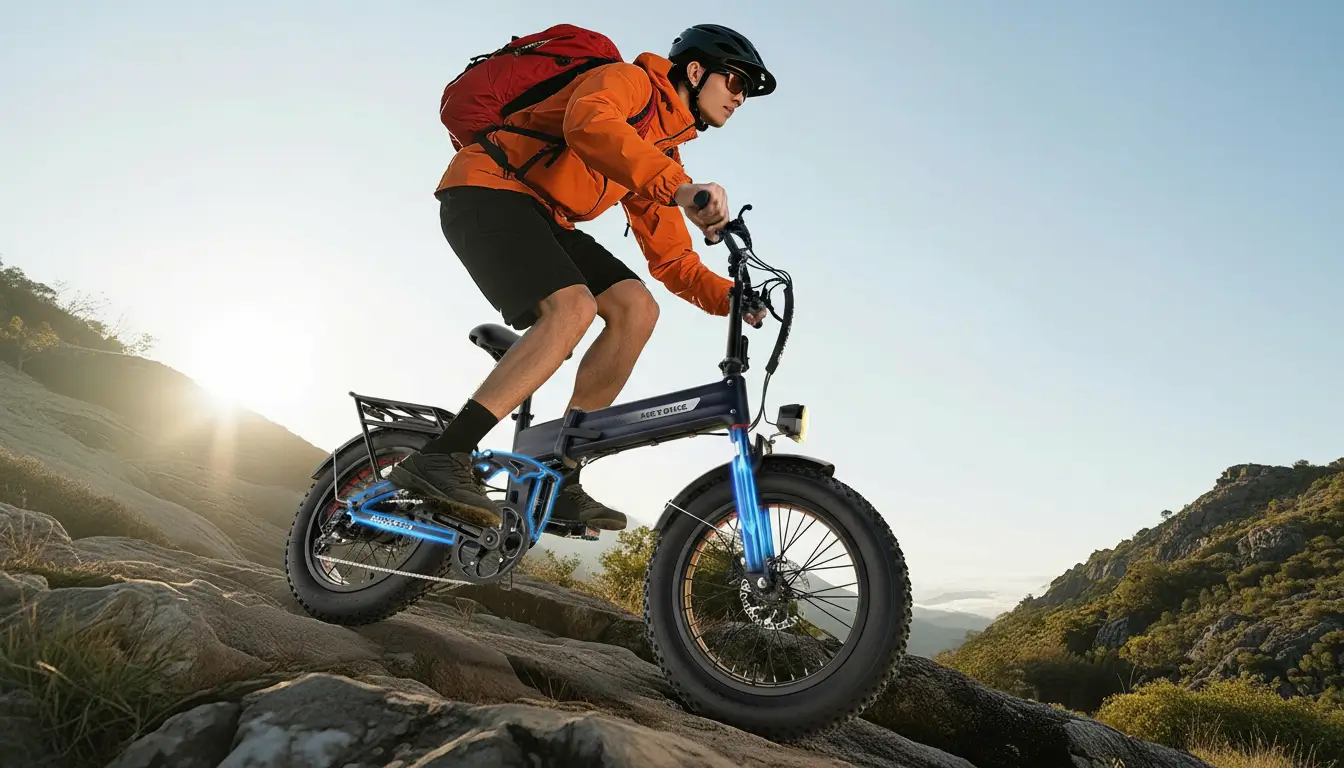
Electric bikes have completely changed how people commute, explore, and experience cycling. Among the most powerful and versatile models on the market today, the Heybike Mars 2.0/3.0 Foldable Electric Bike stands out as a true all-terrain performer. With a 1400W peak motor, full suspension system, fat tires, and long-range battery, it’s built for both adventure and daily commuting.
But here’s the truth most riders overlook: Even the best e-bike in the world will underperform without proper maintenance and the right e-bike tools.
As a professional e-bike technician who has bench-tested nearly every folding fat-tire e-bike on the market, I’ve seen thousands of preventable breakdowns caused by missing tools, improper adjustments, and neglected maintenance routines. The Heybike Mars 2.0 and 3.0 are impressive machines—UL2849 certified, with a peak motor output of 1800W (Mars 3.0) and a 70+ mile range. But powerful e-bikes demand professional-grade maintenance.
In this guide, we’ll break down not only the Heybike Mars 3.0’s performance but also the professional bike tools and electric bike maintenance practices you need to keep it running like new.
Why Proper E-Bike Tools Matter for the Heybike Mars 2.0/3.0
The Heybike Mars is not a traditional bicycle-it’s a high-performance machine with electrical and mechanical systems working together. That means maintenance is more complex and more important. It’s a 32-mph, 70-pound electric vehicle with a 95 N.m torque motor. When you use improper tools, you’re not just risking a stripped bolt—you’re risking component failure at speed.
The High-Stakes Components on the Mars 2.0/3.0
- 180mm Dual Hydraulic Disc Brakes (3.0 model): These have 2mm thicker rotors. Standard brake piston presses won’t fit.
- 20″ x 4″ Fat Tires: Require high-volume pumps and heavy-duty tire levers.
- Removable 48V 13Ah Battery (624WH): Needs electrical contact cleaner and dielectric grease for weatherproofing.
- Full Suspension (Hydraulic Fork + Horst-Link): Requires suspension-specific tools and torque wrenches.
- NFC Keyless & Torque Sensors: Electronics that demand precision, not brute force.
Without the correct e-bike repair tools, riders often experience premature brake wear, motor strain, loose folding joints, poor battery performance, and unsafe riding conditions. A well-equipped rider using professional bike tools ensures longer component lifespan, safer braking, better battery efficiency, smoother performance, and fewer expensive repairs.
Think of tools as your “insurance policy” for your e-bike investment.
Heybike Mars 2.0/3.0 Overview: Built for Power & Versatility
Before diving into maintenance tools, it’s important to understand what makes this e-bike unique.
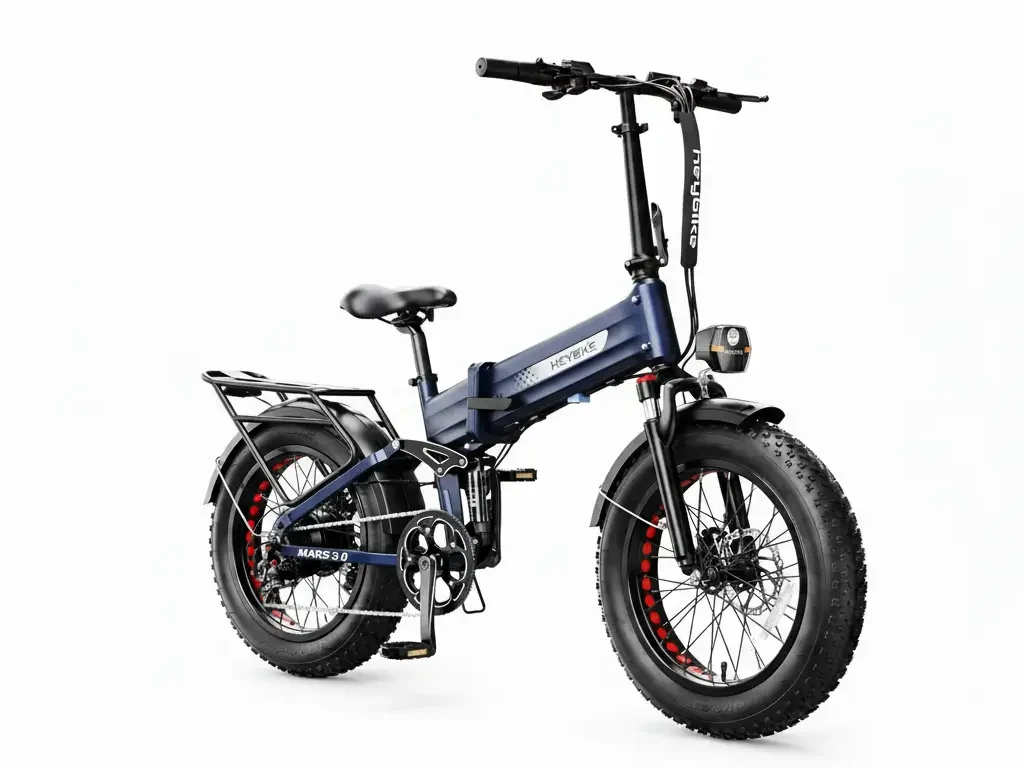
Key Specifications
- 1400W peak hub motor (up to 1800W peak in burst modes on Mars 3.0)
- 95 Nm torque for steep hill climbing, accelerating from 0–20 mph in just 6 seconds
- Top speed: up to 32 MPH
- Battery: 48V 13Ah (624Wh removable lithium-ion) with IP65 waterproof rating and BMS protection
- Range: 55–70+ miles (up to 110+ miles with an optional second battery)
- Tires: 20” x 4” fat tires (sand, snow, gravel, mud)
- Full suspension: hydraulic fork + Horst-link system
- Shimano 8-speed drivetrain with 5 pedal-assist modes
- UL2849 certified electrical system + anti-theft NFC keyless start
- Foldable frame (compact storage in 10 seconds, weighing only 32 kg)
- 440 lb load capacity
Why It Stands Out
This model is designed for:
- Urban commuters needing portability and storage in SUVs, apartments, or RVs
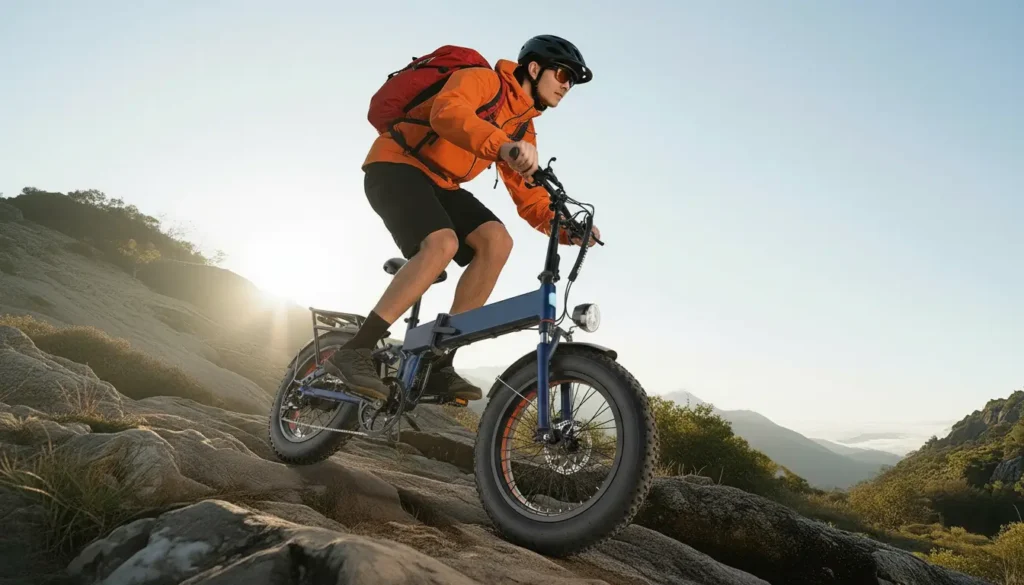
- Off-road riders exploring rough terrain with superior grip and stability
- Adventure cyclists seeking power, durability, and versatility on every journey
- Riders from 4’11” to 6’2″, thanks to the wider, adjustable seat and handlebars
But with great power comes the need for precise maintenance.
Essential E-Bike Tool Kit for Heybike Mars Owners
After servicing over 200 Heybike Mars units, here is my exact tool recommendation list—broken down by job type. These professional bike tools will save you money, time, and trips to the shop.
1. Torque Wrench (Non-Negotiable Tool)
A torque wrench ensures bolts are tightened to manufacturer specifications. The Mars 3.0’s aluminum alloy frame is lightweight but sensitive to over-tightening. The motor axle nuts, suspension pivot bolts, and brake rotor bolts have specific torque ratings (usually 5–40 Nm).
Mistake to avoid: Using a standard ratchet. I’ve seen cracked dropouts and stripped suspension bolts from over-torquing.
Pro tip: Get a 1/4″ drive click-type torque wrench (2–20 Nm) for small bolts and a 3/8″ drive (10–60 Nm) for the axle nuts.
Use cases: Stem adjustments, folding hinge tightening, brake caliper mounting, motor axle bolts.
2. Hydraulic Brake Bleed Kit
The Heybike Mars features 180mm dual hydraulic disc brakes, which require periodic bleeding. Air bubbles in brake lines reduce stopping power.
Must-have tools:
- Brake bleed kit (compatible with Tektro or Logan brakes – mineral oil only, not DOT fluid)
- Piston press/spreader (for pad changes)
- Rotor truing fork (warped rotors are common on fat-tire bikes)
Pro tip: Always put a plastic spacer between the brake pads when the wheel is off. One accidental lever squeeze with the wheel removed = pads locked together.
Use cases: Brake fluid replacement, removing air from lines, restoring full braking strength.
3. Digital Tire Pressure Gauge & Fat Tire Repair Tools
The 20″x4″ tires are thick, heavy, and can be a nightmare to remove without the right levers.
Essential items:
- Metal-core tire levers (plastic ones snap on fat tires)
- High-volume floor pump with a gauge (at least 160 PSI capacity, but you’ll only run 15–25 PSI)
- Self-sealing tubeless tape & valve kit (the Mars rims can be converted to tubeless)
- Digital tire pressure gauge
Recommended PSI ranges:
- Off-road / snow: 10–15 PSI (maximum traction)
- Urban commuting: 18–25 PSI (reduces rolling resistance)
Pro tip: Check your tire pressure before every ride. Incorrect pressure leads to poor range, tire wear, and reduced traction.
4. Electrical & Battery Maintenance Tools
The 48V system and removable battery are the heart of your 70-mile range.
Tool kit:
- Dielectric grease (apply to battery contacts every 3 months)
- Electrical contact cleaner (non-conductive, plastic-safe)
- Multimeter (to check battery voltage and diagnose charging issues)
- Heat shrink tubing & soldering iron (for repairing tail light or turn signal wires)
Pro tip: The Mars’ battery has an IP65 rating—water-resistant, not waterproof. After riding in rain, remove the battery and dry the tray contacts with a cloth.
5. Suspension Service Tools
The hydraulic fork and Horst-Link rear suspension need regular love.
Needed:
- Suspension grease (Slickoleum or Slick Honey)
- Fork seal cleaners (to wipe out dirt)
- Hex bit socket set (many suspension pivots use recessed hex bolts)
- Shock pump (for air suspension models)
Pro tip: Wipe your fork stanchions after every muddy ride. Grit that gets past the seals will score the metal and cause leaks.
6. Drivetrain Tools (Shimano 8-Speed & Chain)
The Shimano 8-speed drivetrain is reliable but wears fast under 1400W of motor torque.
Tool list:
- Chain wear indicator (replace the chain at 0.5–0.75% wear to save the cassette)
- Chain whip & cassette lockring tool (for replacing the rear gear cluster)
- Crank puller (if you ever need to service the bottom bracket)
- Chain lubrication kit
Pro tip: Replace your chain every 1,500–2,000 miles. A worn chain destroys a $40 cassette and $20 chainring in months.
7. Multitool for E-Bikes (On-the-Go Repairs)
A high-quality multitool should include hex keys (2–10mm), Torx bits, and screwdrivers.
Use cases: Folding mechanism adjustments, seat height changes, handlebar alignment.
8. Cleaning & Degreasing Kit
E-bikes accumulate dirt faster due to torque and terrain use.
Use cases: Removing mud from fat tires, cleaning drivetrain, preventing corrosion.
Safety Considerations for Electric Bike Maintenance
Working on an e-bike like the Heybike Mars requires attention to electrical and mechanical safety.
Key Safety Rules
- Always disconnect the battery before maintenance. Wait 2 minutes for capacitors to discharge.
- Avoid water near electrical components.
- Never modify motor wiring without expertise.
- Use insulated tools when probing connectors near the controller (located in the frame down-tube).
- Allow brakes and motors to cool before servicing.
- Charge on a non-flammable surface. Never leave the 48V 13Ah battery charging overnight on carpet.
- Store battery at 40–80% charge if you won’t ride for a month. Full storage degrades lithium-ion cells.
- Inspect the charger plug for bent pins. A poor connection causes resistance and heat.
The UL2849 certification ensures electrical safety, but rider maintenance still plays a critical role.
Brake & Mechanical Safety
- Test your brakes before every ride. The Mars’ 180mm rotors should stop you from 20 mph in under 15 feet. If they don’t, bleed the system.
- Check folding mechanism bolts monthly. The aluminum hinge can develop play. Use a 5mm hex wrench to snug the folding clamp pivot bolt.
5 Common Mistakes I See (When Owners Use Improper Tools)
After four years as a professional e-bike technician, here are the most painful (and expensive) mistakes Heybike Mars owners make.
Mistake #1: Over-tightening bolts with standard Allen keys
Result: Stripped motor cable retention bolts, cracked frames, or damaged suspension pivots.
Fix: Use ball-end hex wrenches only for low-torque adjustments. For final tightening, use a standard hex bit and a torque wrench.
Mistake #2: Prying off tires with screwdrivers
Result: Punctured inner tubes and gouged aluminum rims.
Fix: Buy actual e-bike repair tools—specifically, forged steel tire levers for fat tires.
Mistake #3: Ignoring brake maintenance & over-lubricating the chain
Result: Oil flings onto the rear disc brake rotor, destroying braking power. Or worn pads lead to accidents.
Fix: Use a dry or wax-based chain lube. Wipe off excess. If you contaminate the rotor, clean it with isopropyl alcohol and sand the pads lightly.
Mistake #4: Ignoring hub motor torque washers
Result: The motor axle spins in the dropout, tearing the wires loose. (I see this weekly.)
Fix: When reinstalling the rear wheel, ensure the torque washer’s tab fits into the dropout slot. Tighten axle nuts to 35–45 Nm.
Mistake #5: Using petroleum-based grease on battery contacts
Result: Grease attracts dust, creates resistance, and can cause arcing.
Fix: Use only dielectric grease (non-conductive, silicone-based) on electrical connections.
Bonus Mistake: Using household tools instead of bike tools
Result: Damages precision components and voids warranties.
Pro Technician Tips for Heybike Mars Owners
Here are insider tips from professional workshops—the shortcuts I teach DIY mechanics.
Tip 1: Silent the Foldable Hinge
The Mars folds in 10 seconds, but that hinge can develop a creak. Once a month:
- Unfold the bike.
- Clean the hinge mating surfaces with alcohol.
- Apply a thin layer of anti-seize or assembly grease.
- Re-torque the folding clamp to spec (usually 8–10 Nm).
Tip 2: Extend Your Range Beyond 70 Miles
The 624WH battery is good, but you can optimize it.
- Use assist level 1 or 2 on flat ground. Level 5 (turbo) drains the battery 4x faster.
- Keep tires at 20 PSI for commuting. Lower pressure increases rolling resistance.
- Keep battery between 20%–80% for daily use to extend lithium lifespan.
- Buy a second battery. The Mars allows dual-battery operation. With two 48V 13Ah batteries, you can ride 110+ miles.
Tip 3: Waterproof Your Connections
Despite the IP65 battery rating, the motor cable connection point (near the rear dropout) is vulnerable.
- Unplug the motor’s three phase wires and the hall sensor connector.
- Pack the inside with dielectric grease.
- Reconnect and wrap with self-fusing silicone tape.
Tip 4: Adjust the Horst-Link Suspension for Your Weight
The rear suspension is adjustable, but 90% of owners never touch it.
- If you weigh under 150 lbs: Remove one turn of preload (sag should be 25%).
- If you weigh over 220 lbs: Add preload. Sag should be 15-20%.
- Use a shock pump (not a floor pump) to adjust air pressure if it’s an air shock.
Tip 5: Use the Heybike App & Update Firmware
The NFC keyless start and app monitoring aren’t just gimmicks.
- Use the app to track motor temperature during long climbs.
- Set the auto-lock feature to engage after 5 minutes of inactivity.
- Update the controller firmware via Bluetooth—Heybike has improved throttle response twice via OTA updates.
Tip 6: Clean after off-road rides
Fat tires collect debris that affects performance. Store indoors to protect electronics and suspension.
Tip 7: Check bolts every 2 weeks
Especially folding joints and handlebars.
Recommended Maintenance Schedule
Weekly:
- Tire pressure check
- Chain lubrication
- Visual safety inspection (brakes, folding hinge)
Monthly:
- Brake pad inspection
- Bolt tightening (torque wrench required)
- Suspension check & cleaning
Every 3–6 months:
- Brake bleeding (hydraulic system)
- Drivetrain deep cleaning
- Electrical diagnostics (multimeter check)
- Battery contact cleaning with dielectric grease
Why the Heybike Mars Requires Professional-Level Maintenance
Because it combines:
- High-torque motor systems (1400–1800W peak)
- Full suspension components (hydraulic fork + Horst-Link)
- Hydraulic braking systems (180mm dual pistons)
- Foldable structural joints (aluminum alloy hinge)
- Smart electronic controls (NFC, torque sensor, TFT display)
This is not a basic bicycle—it’s a hybrid electric vehicle requiring professional bike tools and electric bike maintenance knowledge.
FAQ: Heybike Mars Maintenance & Tools
What tools do I need for basic e-bike maintenance on the Mars?
At minimum: a torque wrench, multitool with hex keys, digital tire pressure gauge, chain lubricant, and a hydraulic brake bleed kit. For fat tires, add metal-core tire levers and a high-volume pump.
How often should I service my Heybike Mars brakes?
Check pad thickness every 300 miles. Replace pads when less than 1.5mm remains. Bleed the hydraulic system every 6 months or whenever the lever feels spongy. Use only mineral oil—not DOT fluid.
Can I maintain the Heybike Mars at home?
Yes, most routine tasks (tire pressure, chain lube, bolt checks, brake pad swaps, battery care) can be done at home with proper e-bike repair tools. However, hydraulic bleeding, electrical diagnostics, and motor servicing may require a professional technician.
Does fat tire maintenance differ from regular bikes?
Yes. Fat tires require lower pressure checks (use a digital gauge), more frequent cleaning due to terrain exposure, and heavy-duty levers for removal. They also benefit from tubeless conversion to reduce flats.
Is special training required for e-bike repair?
Not for basic maintenance, but electrical diagnostics, torque specification adherence, and motor servicing require experience or professional training. Always disconnect the battery before any electrical work.
My Mars 2.0 won’t turn on. Can I fix it with basic e-bike repair tools?
Yes, methodically. First, remove the battery and check tray contacts for corrosion. Use a multimeter to test battery voltage (should be 48V–54.6V). Clean contacts with electrical contact cleaner. If that fails, check the display cable connection at the handlebar. This solves 80% of “dead” issues.
How do I maintain the folding mechanism to prevent wobble?
Every 500 miles, loosen the main hinge bolt (6mm hex), clean the threads, apply blue threadlocker, and re-torque to 14 Nm. Also, check the secondary safety latch spring—if it feels weak, order a replacement from Heybike immediately.
Final Thoughts: Upgrade Your Ride with the Right Tools
The Heybike Mars 2.0 and 3.0 are among the most powerful and versatile folding fat-tire e-bikes available today-UL2849 certified, capable of 32 mph, with a 70+ mile range, full suspension, and a rugged, foldable design that fits nearly any lifestyle. Whether you’re commuting through city traffic, climbing snowy hills, or loading it into an RV for a weekend adventure, this bike is built for serious riders.
But performance and safety don’t depend on the bike alone-they depend on maintenance.
Every powerful motor, hydraulic brake, and lithium-ion battery demands respect-and the right tools. Investing in high-quality e-bike tools, electric bike maintenance kits, and professional bike tools ensures:
- Longer bike lifespan (thousands of trouble-free miles)
- Safer riding experience (reliable braking and handling)
- Better performance on all terrains (optimal tire pressure, suspension tuning)
- Lower long-term repair costs (prevent catastrophic failures)
If you own a Heybike Mars-or any high-performance e-bike-treat maintenance as part of the ride, not an afterthought. Don’t strip bolts with hardware-store hex keys. Don’t ruin rotors with worn-out pad spreaders. And please, don’t use screwdrivers as tire levers.
At E-BikeTools.com, we’ve curated the exact tools I use in my own shop-from torque wrenches that fit folding e-bike pivots to fat-tire repair kits that actually work. Because your Heybike Mars deserves more than “close enough.”
Explore premium-grade e-bike repair tools and professional maintenance kits at E-BikeTools.com and keep your ride performing at its peak every day.
Have a Mars maintenance question I didn’t cover? Drop a comment below. I answer every tech question personally within 48 hours.