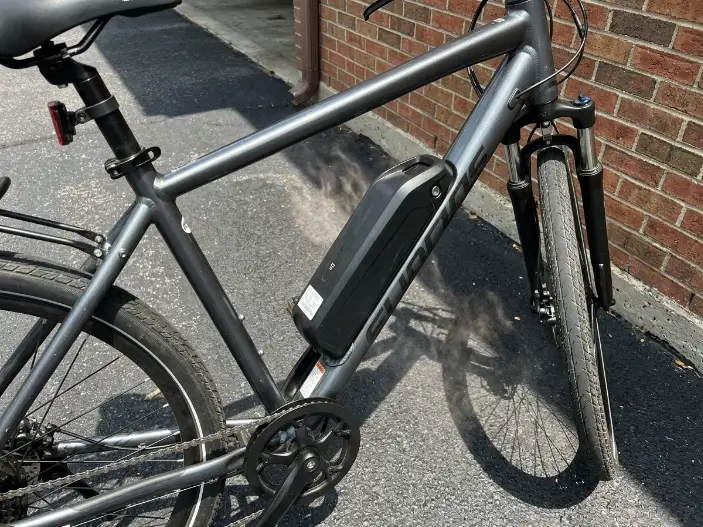
How to Store an E-Bike Battery in Summer: Expert Safety Guide
For most e-bike owners, summer is the peak season for adventure. Whether you’re commuting to work or tackling mountain trails, the sun is your best friend-until it isn’t. While humans enjoy the warmth, your e-bike’s lithium-ion battery is silently suffering.
Heat is the single greatest threat to your battery’s longevity and safety. High temperatures don’t just reduce your range for the day; they can cause permanent chemical degradation, leading to a “dead” battery years before its time, or in extreme cases, a dangerous fire hazard.
In this comprehensive guide, we will dive deep into the science of summer battery care. You’ll learn the exact temperatures your battery craves, why that 100% charge might be killing your cells, and the professional secrets to ensuring your e-bike stays powered for thousands of miles.
Why Summer Heat Is Dangerous for E-Bike Batteries
To understand why summer is so hard on your battery, we have to look inside the “black box” of lithium-ion (Li-ion) chemistry.
Lithium-Ion Chemistry and Heat
E-bike batteries are composed of several “cells” (usually 18650 or 21700 cells) wired together. These cells work by moving lithium ions between an anode and a cathode through an electrolyte. When the temperature rises, the chemical reactions inside the battery speed up.
While this might sound like it gives you more “power,” it actually leads to parasitic reactions. These reactions consume the active lithium and break down the electrolyte, forming a film on the electrodes that increases internal resistance.
The Consequences of Overheating:
- Capacity Loss: Your 500Wh battery might only hold 400Wh after a single summer of poor storage.
- Faster Aging: One week in a 100°F (38°C) garage can age a battery as much as a year of normal use.
- Thermal Runaway: This is the technical term for a battery fire. If a battery gets too hot, it enters a self-heating cycle that is nearly impossible to extinguish.
- Direct Sunlight Effects: Dark battery casings absorb UV rays, which can raise the internal temperature of the cells to 20°F–30°F higher than the ambient air temperature.
Ideal Storage Temperature: The Sweet Spot
Temperature management is the cornerstone of e-bike battery maintenance. Lithium-ion batteries are like humans—they are happiest between 60°F and 75°F.
The Storage Hierarchy
- Optimal: 60°F – 70°F (15°C – 21°C).
- Acceptable: 40°F – 80°F (4°C – 27°C).
- Danger Zone: Above 104°F (40°C).
- Critical Risk: Above 140°F (60°C) – Permanent damage occurs rapidly.
Comparison Table: Storage Locations
| Location | Summer Risk Level | Why? |
|---|---|---|
| Indoor Closet | Low | Climate-controlled and dark. |
| Basement | Low | Naturally cool, but check for humidity. |
| Uninsulated Garage | High | Can reach 110°F+ easily in summer. |
| Inside a Car | Extreme | Temperatures can hit 160°F in minutes. |
| Garden Shed | High | Usually lacks ventilation; gets very hot. |
A Note on Humidity: High humidity (above 80%) can cause corrosion on the battery terminals. Always store your battery in a dry environment.
Charge Level Before Storage
One of the most common mistakes owners make is storing their battery at the wrong charge level.
Why 40–60% is the “Goldilocks” Zone
When a battery is at 100%, the lithium ions are “packed” into one side of the battery, creating high voltage stress. When combined with summer heat, this stress causes the chemicals to degrade twice as fast.
Conversely, storing at 0% is dangerous because all batteries suffer from self-discharge. If the battery drops too low, the Battery Management System (BMS) may shut down permanently to prevent a fire, rendering the battery a “brick” that cannot be recharged.
Quick Reference: Charge Levels
| Storage Duration | Recommended Charge |
|---|---|
| Daily Use | 80% – 100% (Charge before ride) |
| 1–2 Weeks | 50% – 70% |
| 1 Month+ | 40% – 50% |
Where Should You Store an E-Bike Battery?

If you are not riding for a few days during a heatwave, move your battery to one of these locations:
- Climate-Controlled Rooms: A spare bedroom or an interior closet is the gold standard.
- Basements: These stay cool even when the upstairs is hot. Just ensure it’s not damp.
- Offices: If you commute, bring your battery inside the office rather than leaving it on the bike in a parking rack.
- Avoid Attics: Heat rises. Attics are often the hottest part of a home.
- Avoid Vehicles: Never leave a battery in a parked car. Even with windows cracked, the interior temperature can kill a battery in a single afternoon.
Should You Remove the Battery?
In summer, the answer is almost always YES.
- Heat Transfer: If your bike is black or dark-colored, the frame can act as a heat sink, transferring heat directly into the battery cells.
- Theft Prevention: Batteries are the most expensive part of the bike and easier to steal than the bike itself.
- Maintenance Opportunity: Removing the battery allows you to inspect the pins. Use a dry cloth to wipe away dust or grime that could cause a short circuit.
- Connector Protection: If you remove the battery, use a rubber terminal cover to protect the pins on the bike from dust and moisture.
Charging During Summer Storage
Charging generates its own heat. When you combine internal charging heat with high ambient summer temperatures, you have a recipe for disaster.
Summer Charging Rules:
- Let it Cool: After a long ride, wait 30–60 minutes before plugging it in.
- Charge Indoors: Never charge in a hot garage or in direct sun.
- The 80% Rule: If you don’t need your full range the next day, only charge to 80% to reduce chemical stress.
- Monitor the BMS: Your Battery Management System is smart, but it can’t stop physics. If the battery feels hot to the touch during charging, unplug it immediately.
Common Summer Storage Mistakes
Avoid these “Battery Killers”:
- Leaving it in the Trunk: The most common way batteries are destroyed.
- Direct Sunlight: Parking your bike at the beach or park in direct sun for hours.
- Using a Fast Charger in Heat: Fast chargers pump more current, creating more heat. Switch to a standard charger in summer.
- Ignoring the “Puff”: If your battery casing looks swollen or “puffy,” it’s a fire hazard. Stop using it immediately.
- Charging “Cold” Batteries in Heat: Moving a battery from a 60°F room to a 100°F porch to charge causes condensation inside the casing.
How to Prepare an E-Bike Battery for Long-Term Storage
If you’re taking a summer vacation and leaving the bike behind, follow these steps:
- Clean the Battery: Wipe the exterior with a damp (not wet) cloth.
- Discharge/Charge to 50%: Check your display or the LEDs on the battery.
- Remove from Bike: Disconnect it to prevent “phantom” power draw from the bike’s display or lights.
- Inspect Terminals: Look for signs of corrosion or arcing (black marks).
- Place in a Fireproof Bag: For extra peace of mind.
- Set a Reminder: Put a note on your calendar to check the charge level in 30 days.
How to Protect Your Battery During Heat Waves
When temperatures soar above 95°F (35°C), take emergency precautions:
- Bring it Inside: No exceptions. Even if you use your bike daily, the garage is too hot.
- Insulated Bags: If you must transport the battery, use an insulated “cool bag” (without ice!) to buffer the temperature change.
- Avoid Afternoon Rides: Try to ride in the early morning or late evening when the pavement isn’t radiating heat back up into the motor and battery.
Signs Heat Has Damaged Your Battery
How do you know if the summer has already taken its toll?
- Reduced Range: You used to get 40 miles, but now you only get 25.
- Voltage Sag: The bike feels sluggish or “cuts out” when you go uphill, even if the battery shows 50%.
- Unexpected Shutdowns: The display turns off while riding.
- Physical Deformation: The plastic casing is warped or cracked.
- The “Hot” Smell: A sweet, metallic, or chemical smell coming from the battery.
When to Replace: If your battery is more than 5 years old, has visible swelling, or loses more than 40% of its original range, it is time to recycle it at a certified facility and buy a new one.
Summer Battery Maintenance Checklist
[ ] Weekly: Wipe down battery contacts with a dry microfiber cloth.
[ ] Daily: Store battery in a room below 75°F (24°C).
[ ] Post-Ride: Wait 45 minutes before charging.
[ ] Charging: Only charge on a hard, flat surface (no carpets).
[ ] Storage: Keep charge between 40% and 60% if not riding for 3+ days.
[ ] Inspection: Check for cracks, leaks, or “puffy” casing.

Expert Tips from E-Bike Technicians
- Use a Smart Plug: Set a timer so your charger turns off after 3 hours, preventing the battery from sitting at 100% all night.
- Infrared Thermometers are Cheap: Buy one to check your battery’s surface temp after a ride. If it’s over 110°F, you need to ride with less assist.
- Mind the Pavement: On a 95°F day, asphalt can be 140°F. This “ground heat” significantly warms mid-drive motors and batteries.
- Terminal Grease: Use a tiny amount of dielectric grease on battery pins to prevent moisture and corrosion.
- Upgrade your Charger: If your charger gets burning hot, it may be failing. Replace it with a high-quality, UL-listed unit.
- Partial Charges are Good: Lithium batteries don’t have a “memory effect.” Many small charges are better than one giant 0-100% charge.
- Ventilation is Key: If you store your battery in a closet, ensure it’s not buried under blankets or clothes.
- The “Hand Test”: If the battery is too hot to hold comfortably, it’s too hot to charge.
- Keep it Clean: Dust acts as an insulator, trapping heat inside the battery casing.
- Record your Range: Keep a small log. If you notice a sudden drop in mileage during summer, get the battery tested.
Recommended Products for Battery Safety
1. Fireproof Battery Storage Bag
- Best for: Safety-conscious apartment dwellers.
- Key Features: Triple-layer fiberglass protection.
- Pros: Can contain a fire; easy to carry.
- Cons: bulky.
- Why Recommended: It’s the best insurance policy against home fires.
2. Infrared Thermometer Gun
- Best for: Monitoring battery health after rides.
- Key Features: Instant digital readout.
- Pros: Accurate; affordable.
- Cons: Requires batteries.
- Why Recommended: Removes the guesswork from “Is it too hot?”
3. Digital Hygrometer & Thermometer
- Best for: Garage or basement storage.
- Key Features: Tracks min/max temp and humidity.
- Pros: Very cheap; clear display.
- Cons: No remote alerts.
- Why Recommended: Allows you to see if your storage area is hitting “danger zone” temps while you’re away.
4. Smart Surge Protector
- Best for: Safe charging.
- Key Features: Auto-shutoff and surge protection.
- Pros: Prevents overcharging.
- Cons: Needs Wi-Fi for some features.
- Why Recommended: Protects expensive battery BMS from power spikes during summer storms.
5. Battery Terminal Cleaning Kit
- Best for: Maintenance.
- Key Features: Small brushes and electronic cleaner.
- Pros: Improves efficiency.
- Cons: None.
- Why Recommended: Clean contacts mean less resistance and less heat.
Frequently Asked Questions
Can I leave my e-bike battery in a hot garage?
No. Most garages exceed safe lithium-ion storage temperatures (104°F) in the summer. Always bring the battery indoors.
What is the safest storage temperature?
The “goldilocks” zone is 60°F to 70°F (15°C – 21°C).
Should I store my battery fully charged?
Only if you are using it the next morning. For storage longer than 3 days, 40-60% is much safer.
Can I charge a hot battery?
Never. Charging a hot battery accelerates chemical breakdown and increases the risk of fire.
How long can an e-bike battery sit unused?
If stored at 50% charge in a cool place, it can safely sit for 1–3 months, but you should check the level every 30 days.
Can heat permanently damage an e-bike battery?
Yes. High heat causes “capacity fade,” meaning the battery will never hold as much energy as it did when new.
Is it safe to leave an e-bike in the sun?
For short periods (30 mins) it’s okay, but for hours, the sun will overheat the cells and may damage the LCD display.
Should I remove the battery before transporting my bike on a car rack?
Yes. This reduces weight on the rack and prevents the battery from being exposed to direct sun and road vibration.
Does humidity affect e-bike batteries?
Yes. High humidity can cause oxidation on the metal terminals, leading to poor connections and power loss.
How can I maximize battery lifespan?
Avoid heat, store at 50% charge, use the original charger, and don’t “floor it” (high assist) in extreme heat.
Conclusion
Your e-bike battery is a marvel of engineering, but it is not invincible. By treating it like a living thing-keeping it cool, hydrated (metaphorically, with the right charge level), and out of the blistering sun-you can easily double its lifespan.
Remember the “Summer Rule of Thumb”: If you are uncomfortable in the heat, your battery is too. Take the extra 60 seconds to bring your battery inside, and it will reward you with years of reliable, powerful adventures.